As Kenya prepares for the 2027 General Election, our focus as a Commission must extend beyond the technical arrangements for election day. We must also confront a more fundamental question: are we building an electoral process in which every section of society feels heard, included, and free to participate?
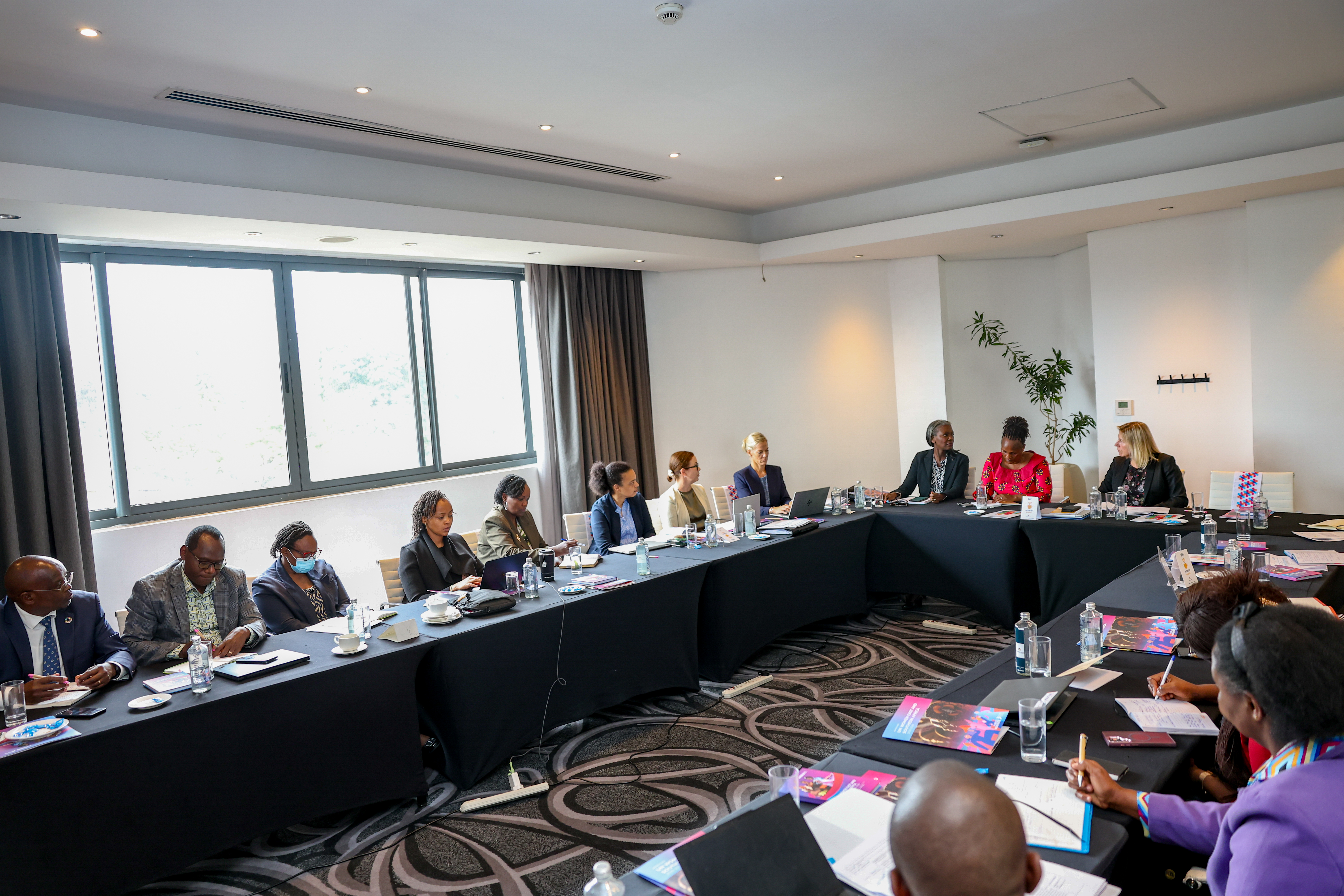
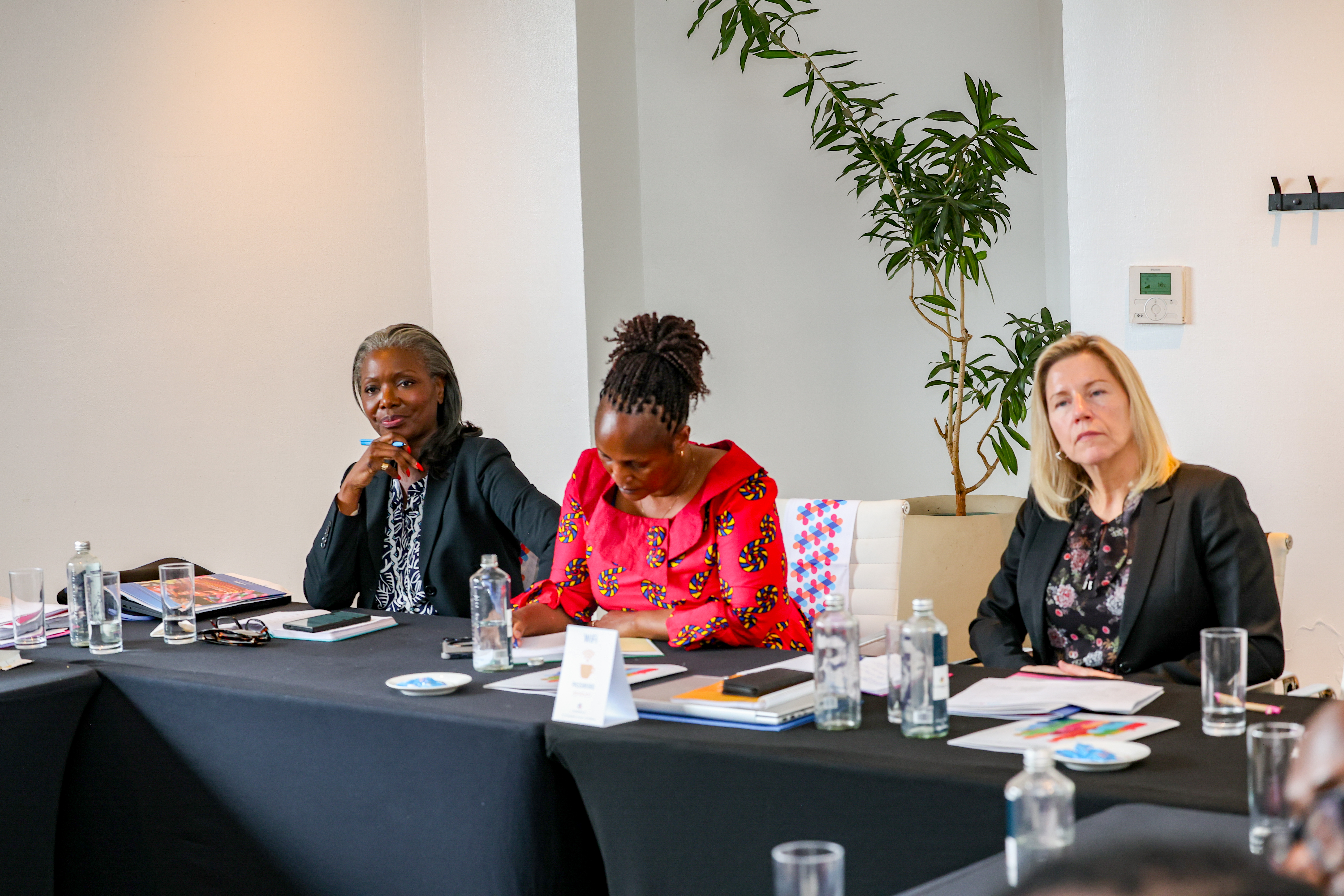
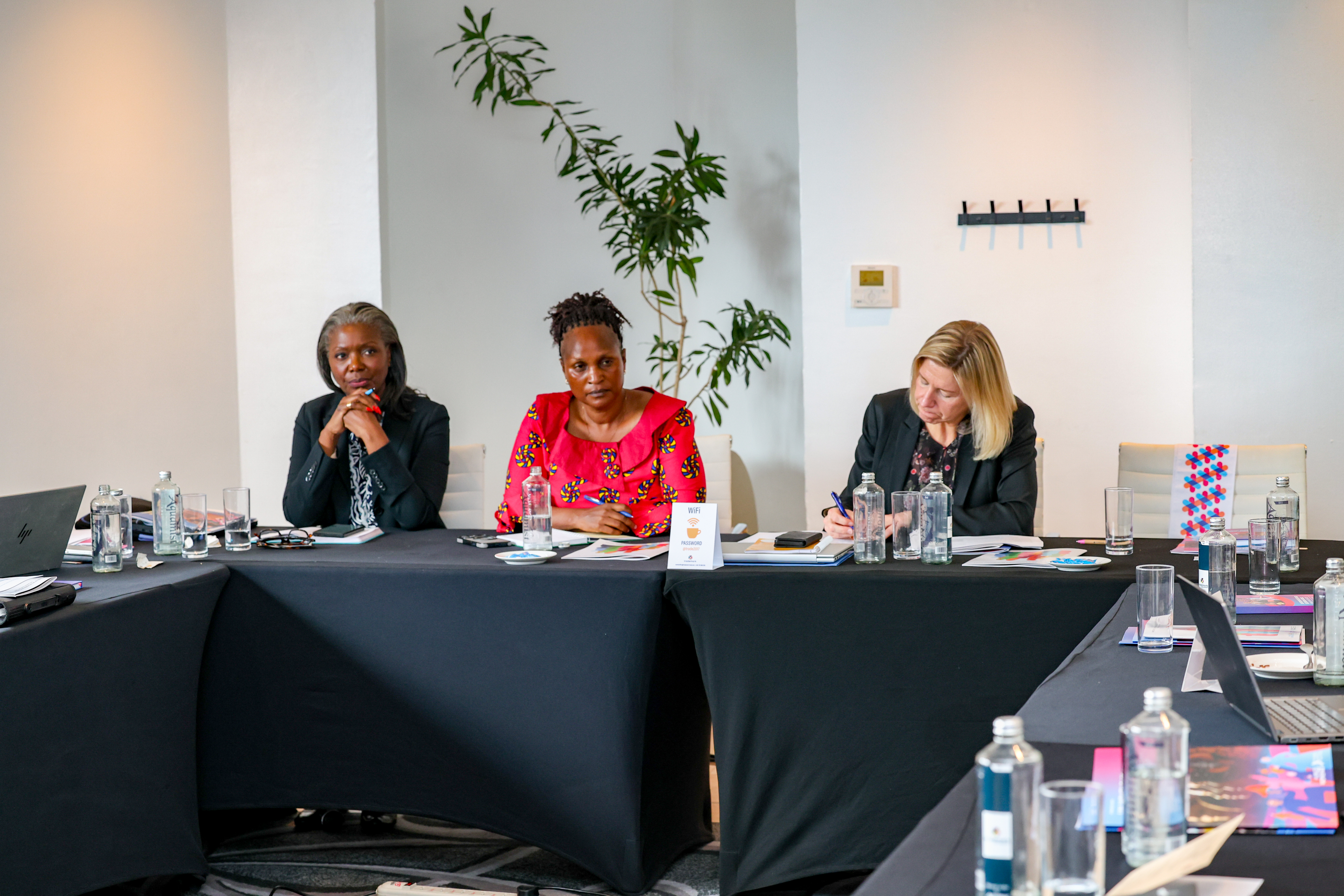
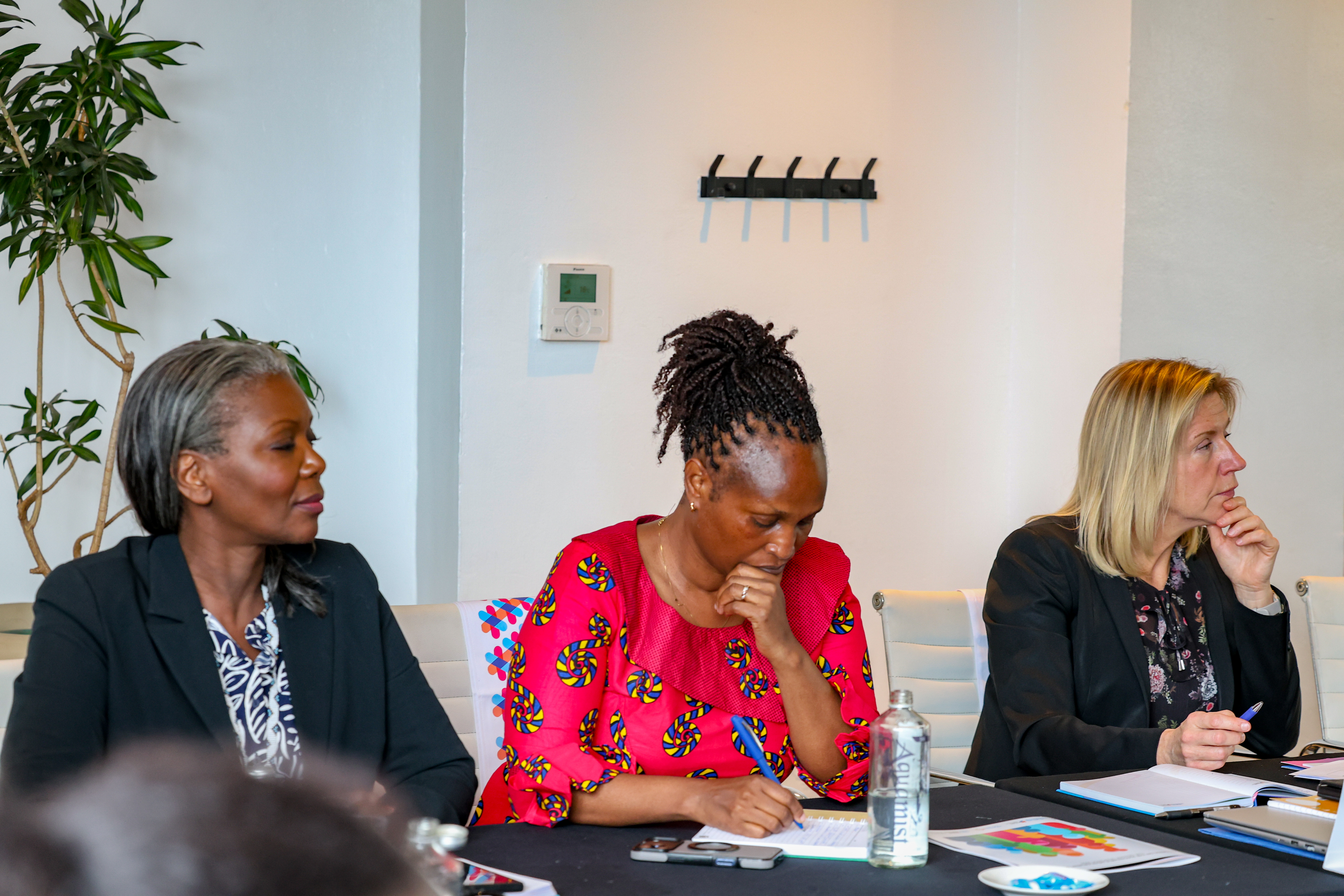
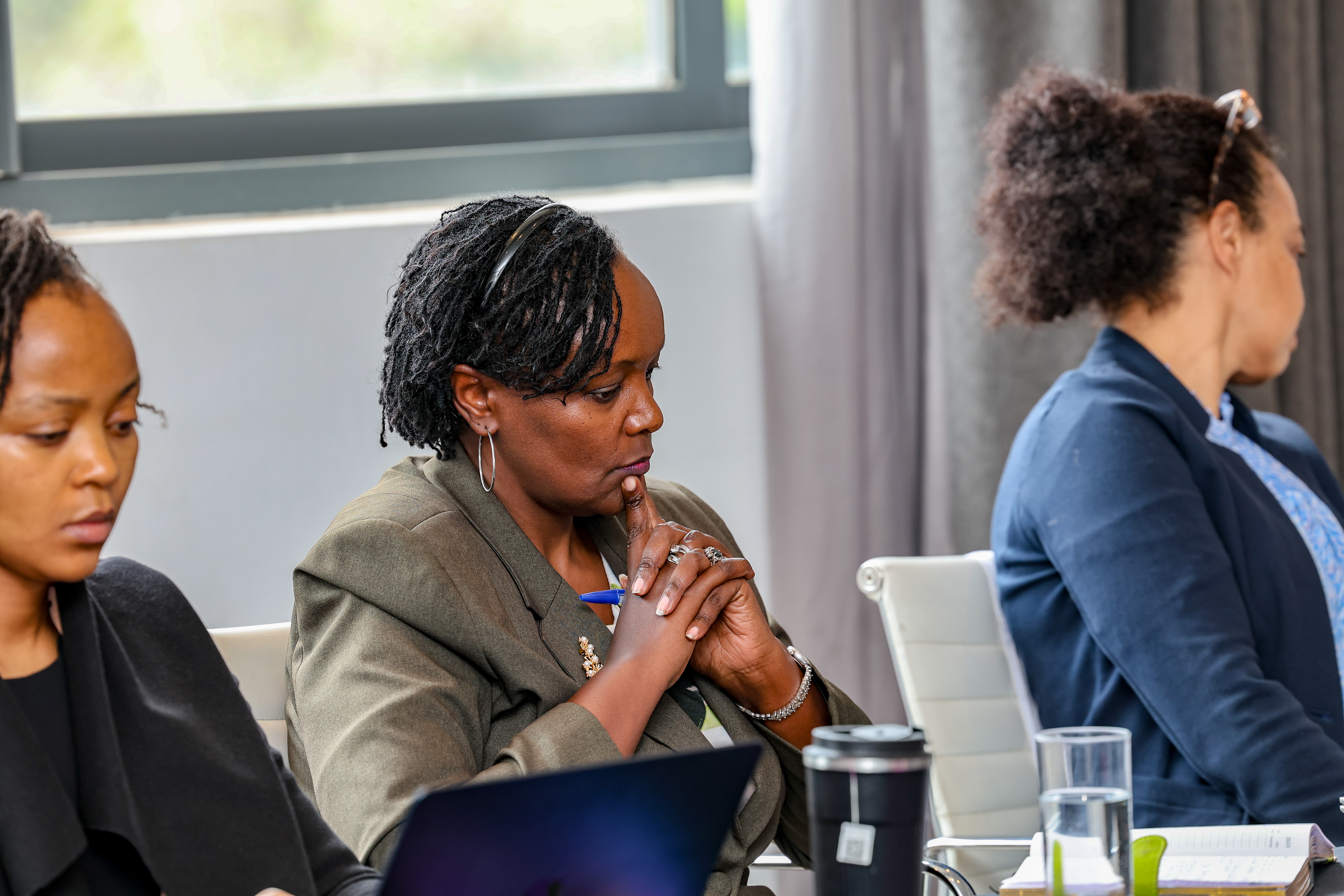
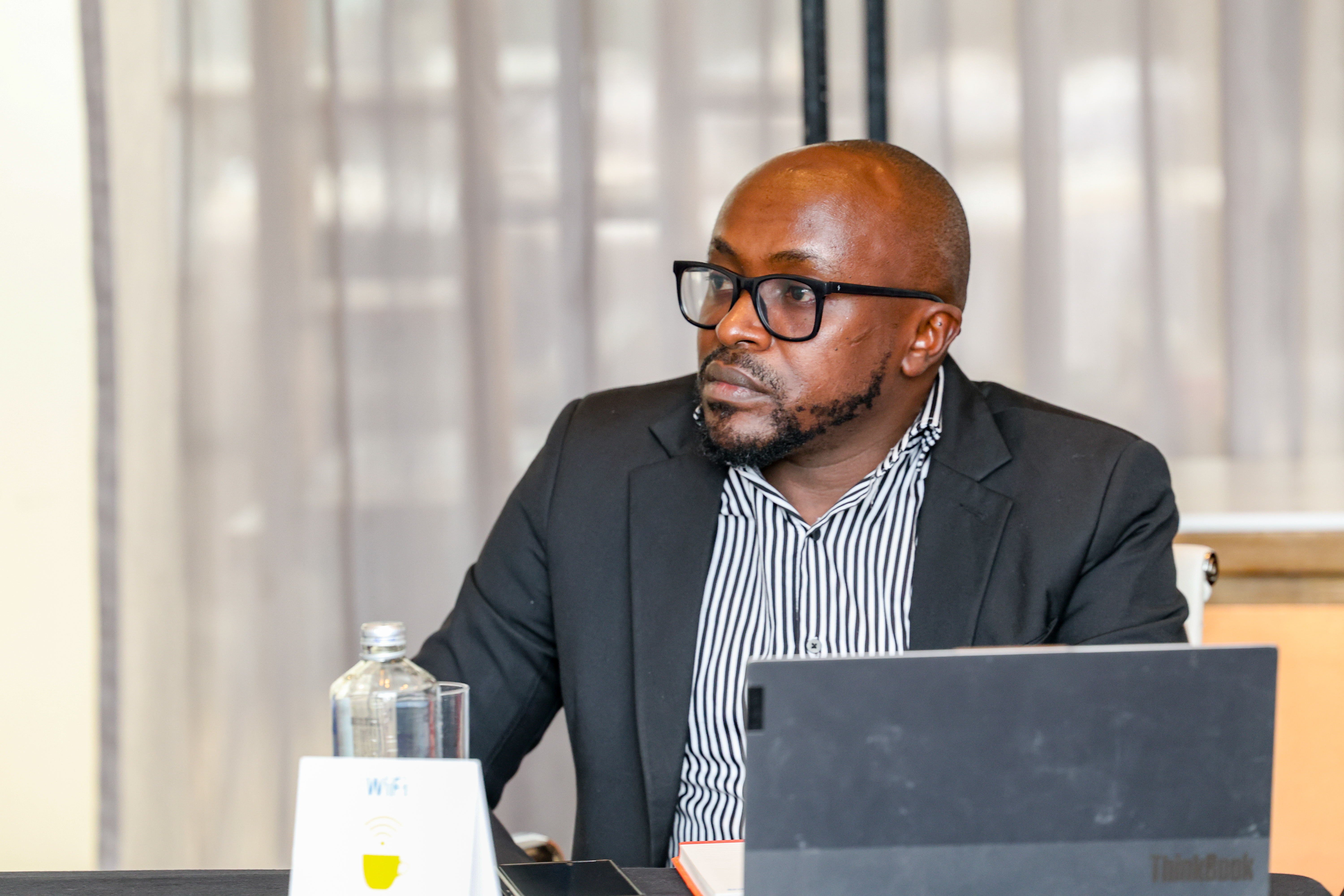
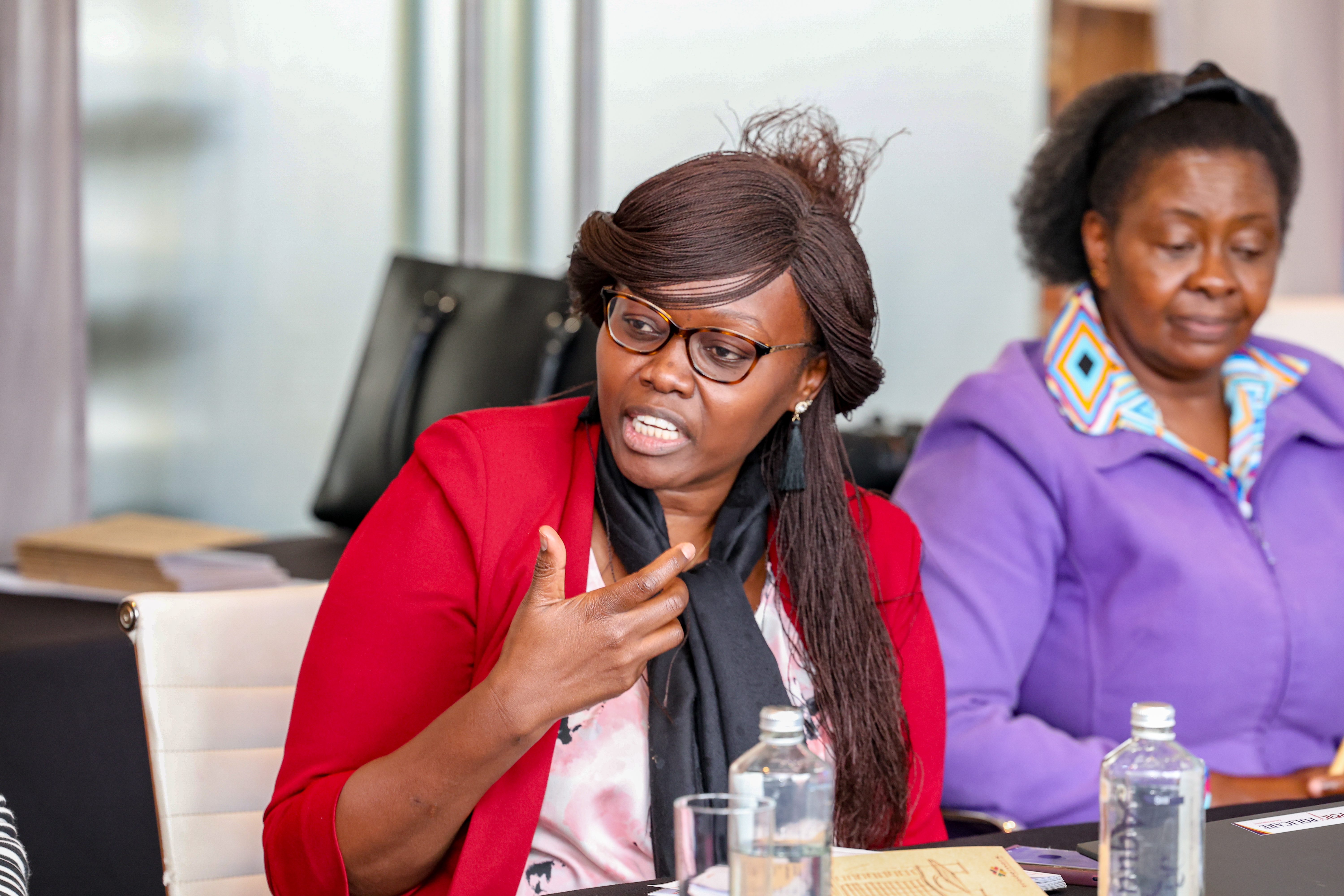
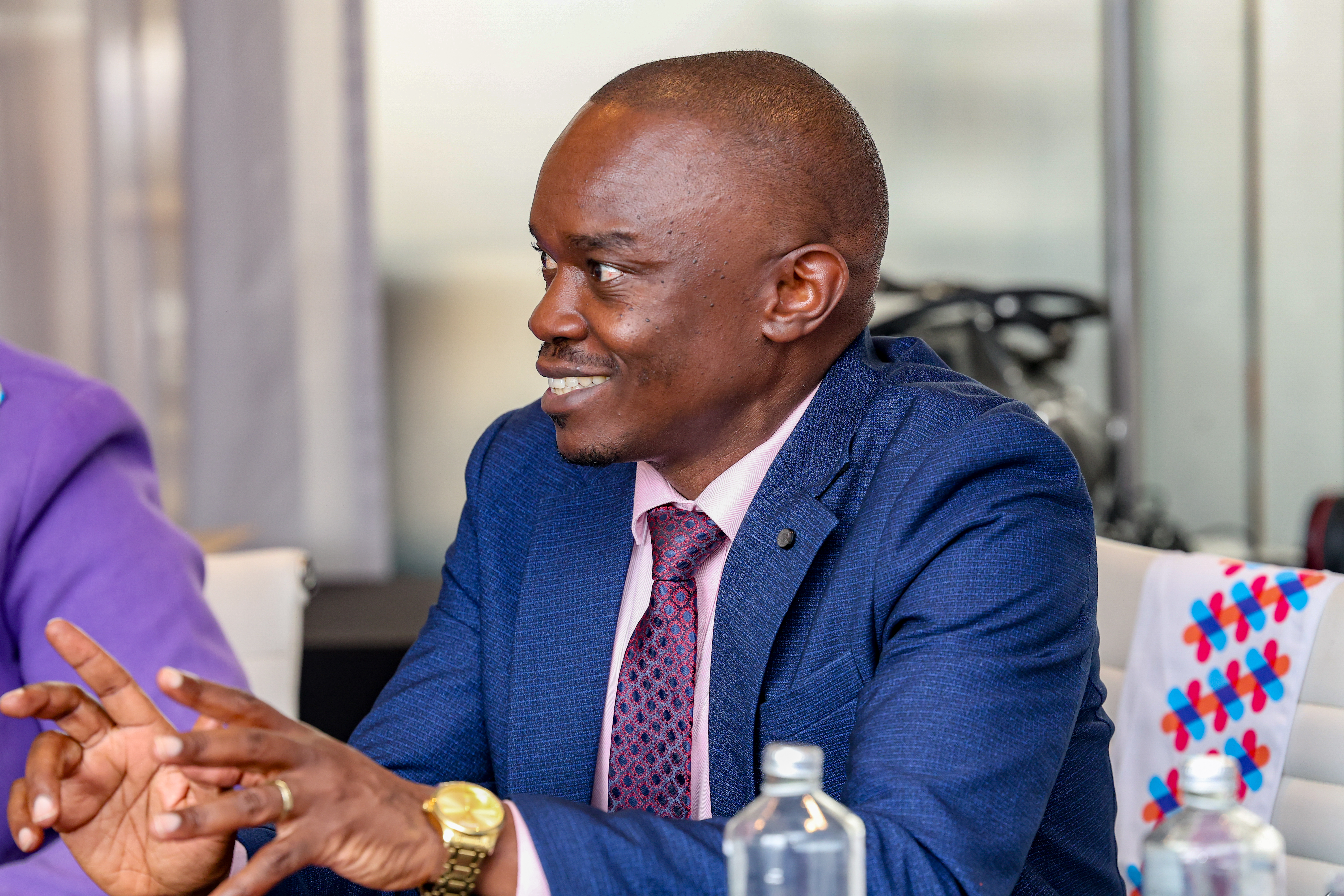
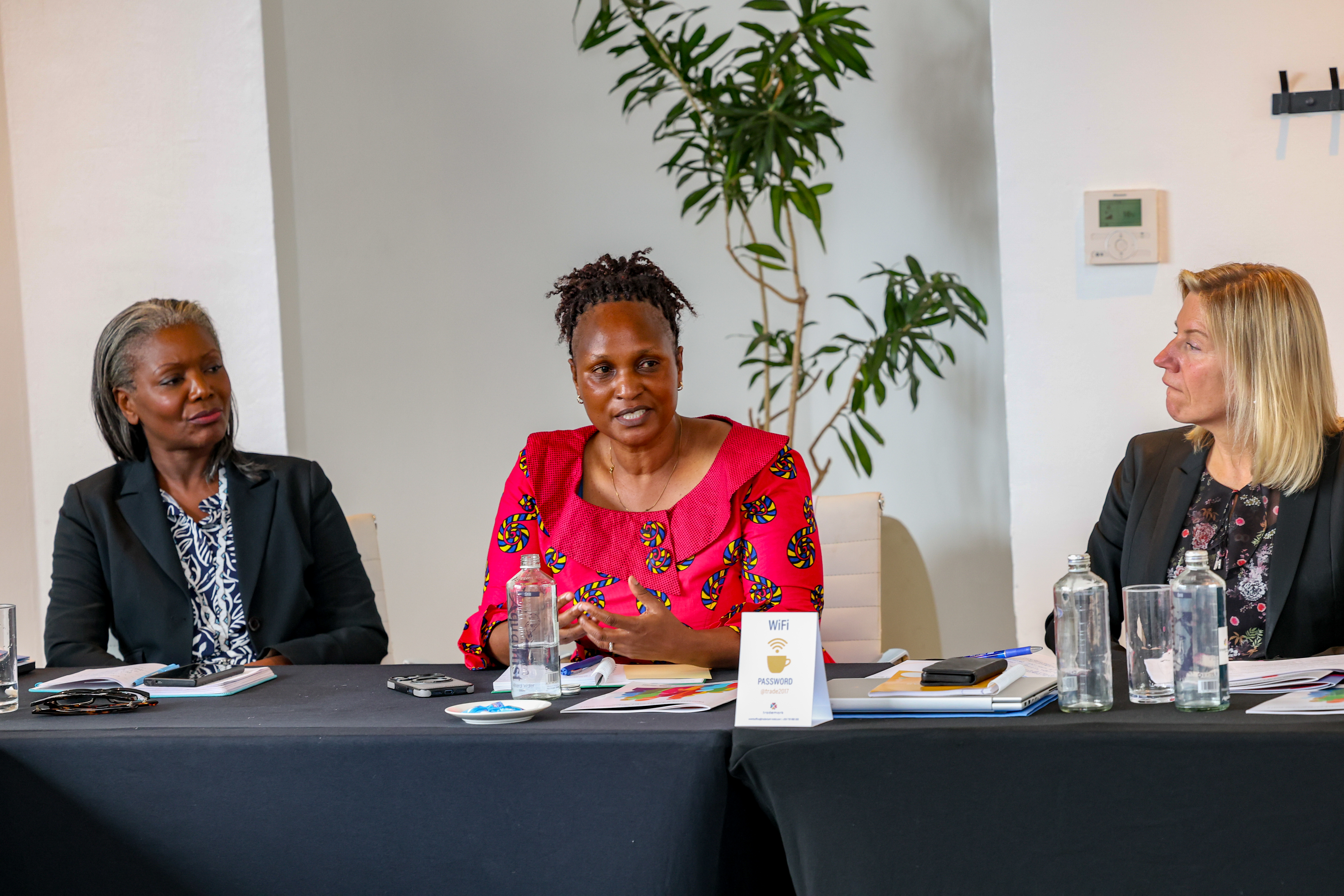
I reflected on this during the UN Women Strategic Partnership Framework (SPF) Programme Monitoring Mission at Trademark Hotel, where, together with our partners, we examined gender responsive electoral management our achievements, the lessons we have learned, the challenges now emerging, and the priorities for strengthening women's participation in electoral processes.
These conversations matter, both to me personally and to the institution I serve, because credible elections are not built on election day. They are built through deliberate engagement, careful preparation, and genuine inclusion across the entire electoral cycle work that the Commission is committed to leading.
One of the areas the Commission has prioritized, and which I personally emphasized, is the need to place young people at the very heart of our preparations for 2027.
Kenya is a youthful nation, with a significant proportion of its population below the age of 35. Young people cannot, therefore, be treated as a constituency to be engaged only when elections draw near. Their voices, concerns, and aspirations must shape the electoral conversation from the outset.
The events of 2024 underscored just how vital it is to listen to young people and to create meaningful channels through which they can engage with our institutions. The lesson for us is clear: engagement must be continuous, structured, and sincere.
As we prepare for 2027, the Commission is working to strengthen its youth engagement strategy and to explore structured mechanisms through which young people can take part in electoral discussions. A Youth Advisory Board, or a dedicated youth engagement committee, could offer an important platform for this sustained dialogue.
Our experience during the first phase of Enhanced Continuous Voter Registration (ECVR I) showed what young people can achieve when they take ownership of the process. They were especially vocal in urging their peers to register, including through initiatives such as #TukoKadi.
That experience should guide how we approach the next phase. Young people should not be mere recipients of voter education they should be our partners in delivering it.
Equally important to the Commission is the participation and safety of women in politics and elections.
As a champion of gender inclusivity, and consistent with the Commission's mandate, I believe we must prepare women early, equipping them with the knowledge and confidence to participate effectively.
Women aspiring to political leadership need to understand the nomination rules of the parties through which they seek to contest, the electoral requirements they must meet, and the realities of campaigning. This preparation should begin long before the campaign season officially opens.
We have seen gradual progress in women's political representation across successive election cycles. That progress is encouraging but it also reminds us how much work remains.
One lesson I have drawn from our collective experience is that numbers matter. When more women come forward, contest, and participate meaningfully, we widen the path to leadership for women.
We must also rethink how we support women who contest and do not win. An electoral loss should never mark the end of a woman's leadership journey. We need to identify, encourage, and keep building the capacity of women who have contested before, so that those with the commitment and ambition can return to the political arena better prepared.
Women's participation cannot be meaningful if women face violence, intimidation, or harassment because of their political involvement.
Gender-based violence before and during elections remains a serious concern. It discourages women from contesting, constrains their participation, and tilts the political playing field.
The Commission therefore recognizes the need for deliberate institutional measures to prevent and respond to gender based electoral violence. We must continue working with relevant stakeholders to strengthen the policies, preparedness, and mechanisms that make the environment safer for women to campaign and participate.
Our shared objective must be an electoral environment in which a woman can aspire to leadership, campaign for her ideas, and compete for elective office without fear of violence or intimidation.
I also reflected on my experience as part of the taskforce working to implement the two-thirds gender principle.
The journey has not been without difficulty. This constitutional principle has generated considerable debate, particularly over how the requirement should be achieved at different levels of representation.
County assemblies and the National Assembly present distinct constitutional and institutional considerations, and the question of how to realize the principle in practice continues to attract national debate.
From that experience, however, the essential point is that the conversation must stay focused on finding practical, constitutional ways to advance women's representation.
As we look towards 2027, we must recognize that electoral preparedness is about far more than technology, logistics, and election day operations.
It is also about building trust, listening to citizens, preparing young people, protecting women, strengthening voter education, and creating opportunities for meaningful participation.
The 2027 election should therefore be approached as a process, not an event.
If, as a Commission and as a country, we engage young people early, prepare women adequately, confront gender-based violence, and open stronger avenues for citizens to take part, we will be taking real steps towards a more inclusive electoral environment.
For me, and for the institution I represent, inclusion is not simply about presence. It is about ensuring that people have a voice, understand the process, and feel that they belong.
As we prepare for 2027, no young person, no woman, and no community should be left standing outside the democratic process.