
As Kenya turns its attention to the 2027 General Election, one priority remains central to every discussion about the vote: ensuring that the electoral process is safe, secure and peaceful. Conducting an election goes beyond organising and managing the vote. It requires strong partnerships, effective security coordination and a shared commitment to safeguarding the democratic rights of every Kenyan.
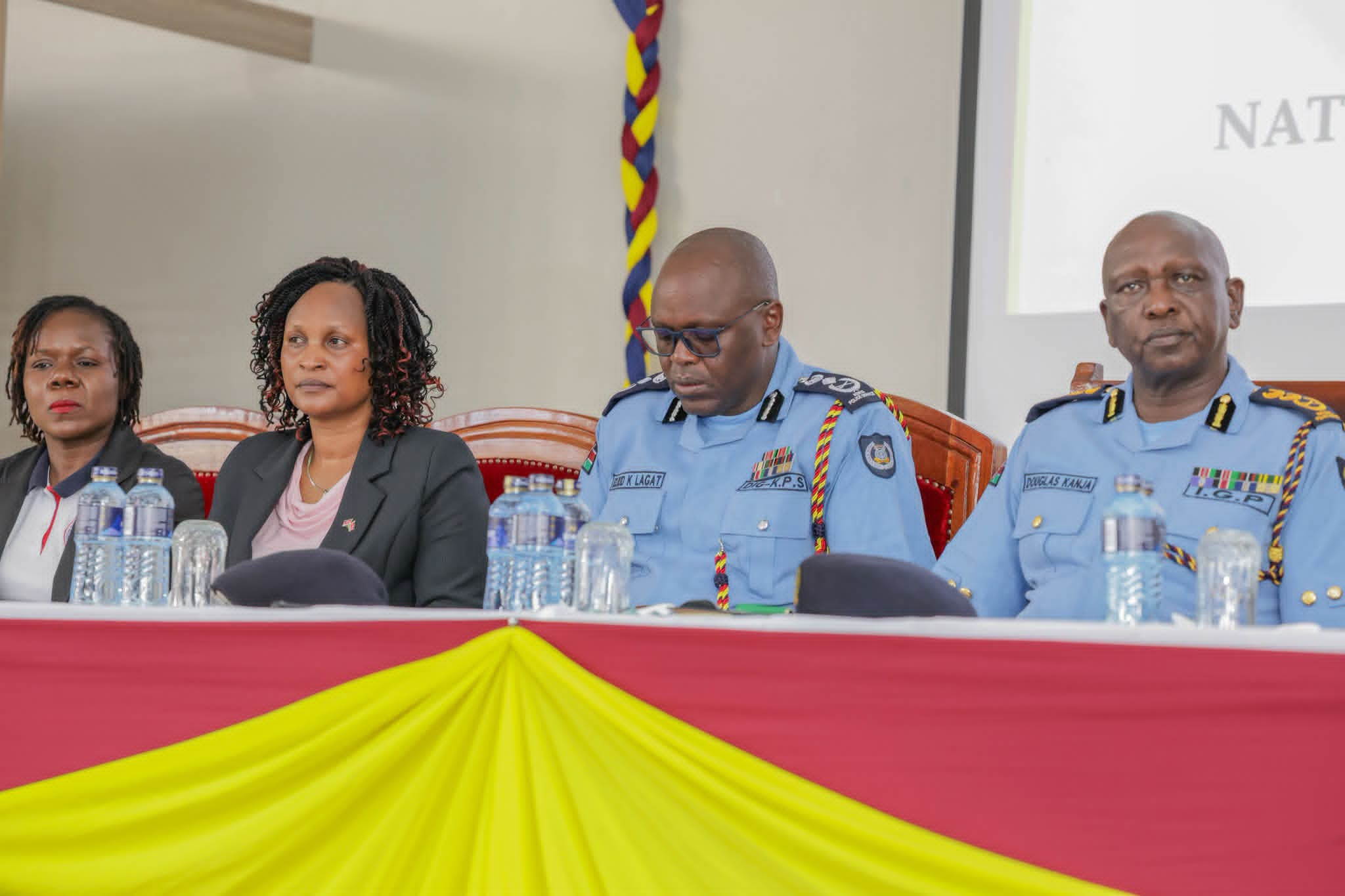
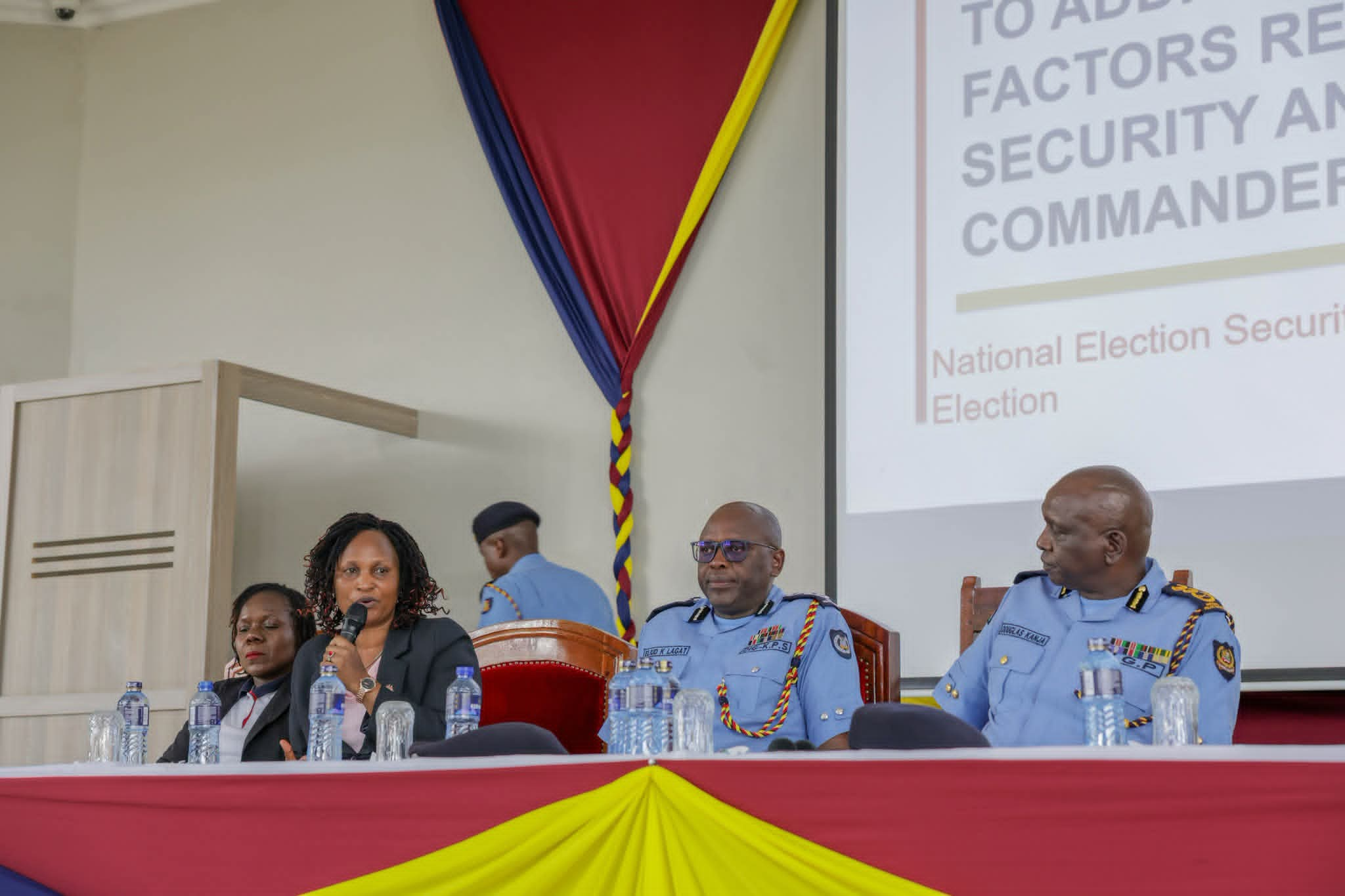
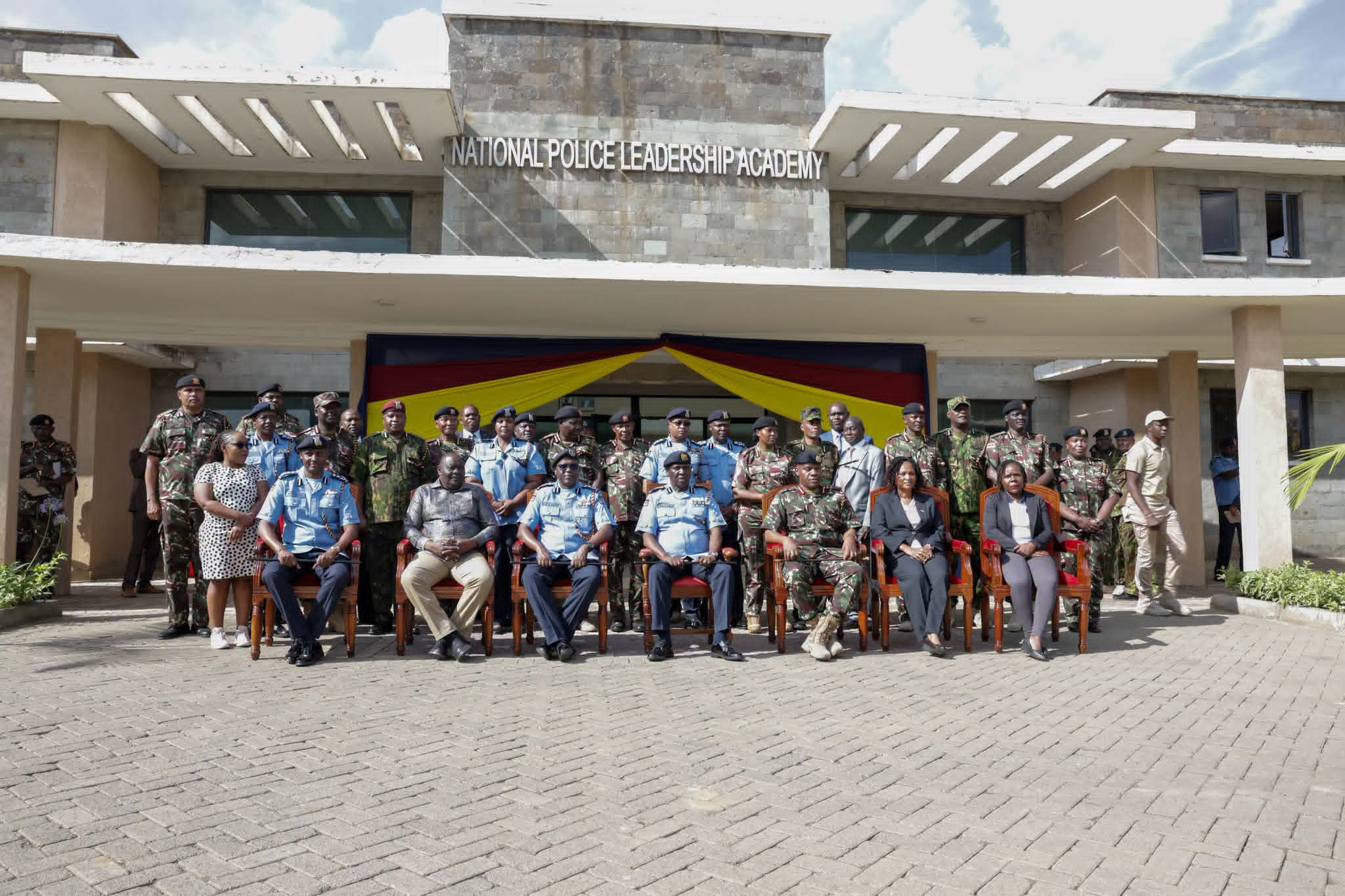
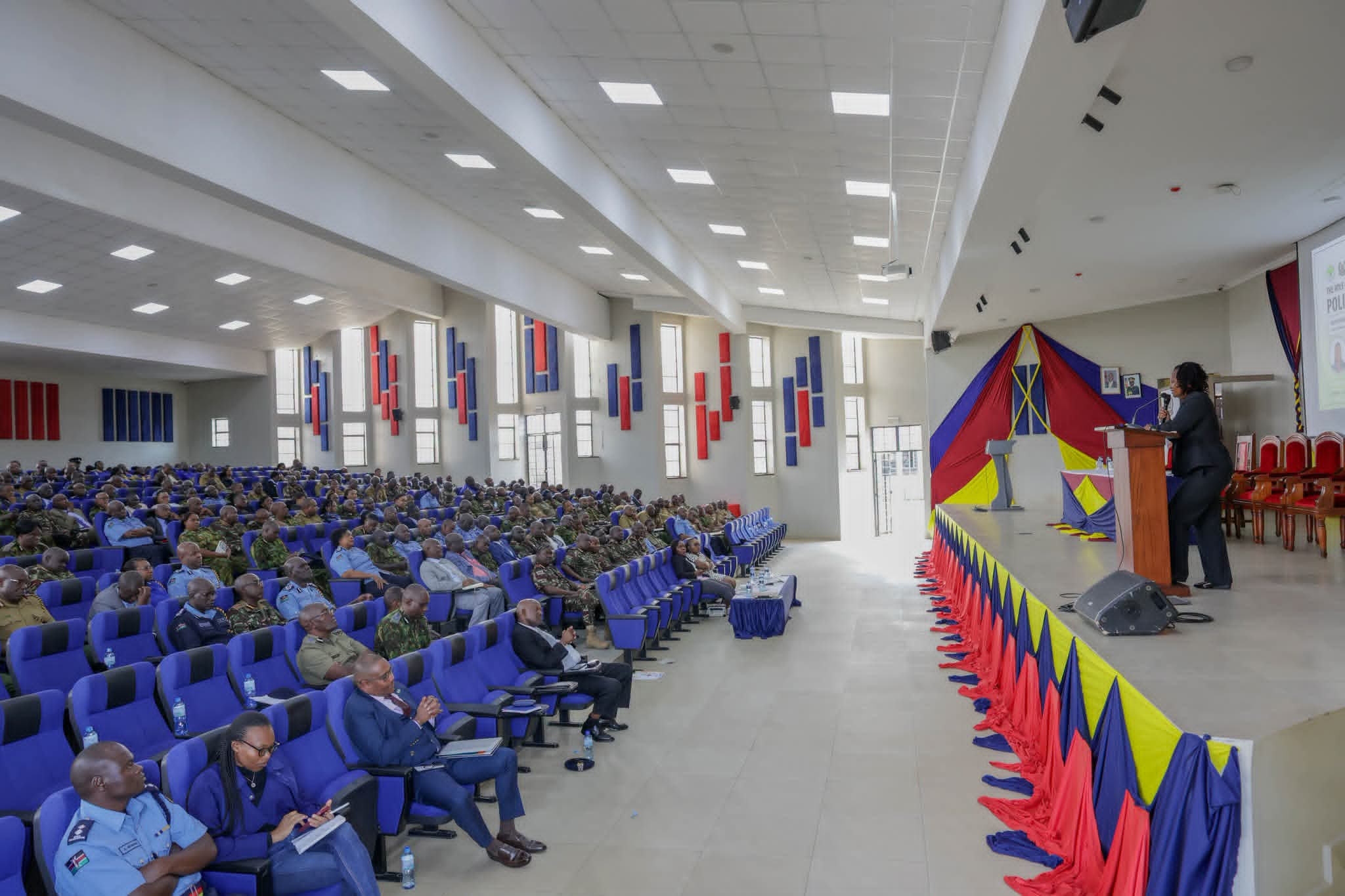
It was in this spirit that I represented the Independent Electoral and Boundaries Commission (IEBC) at the National Police Service (NPS) Inspector General’s Conference on Election Security Preparedness, on behalf of the Commission Chairperson, Mr. Erastus Edung Ethekon.
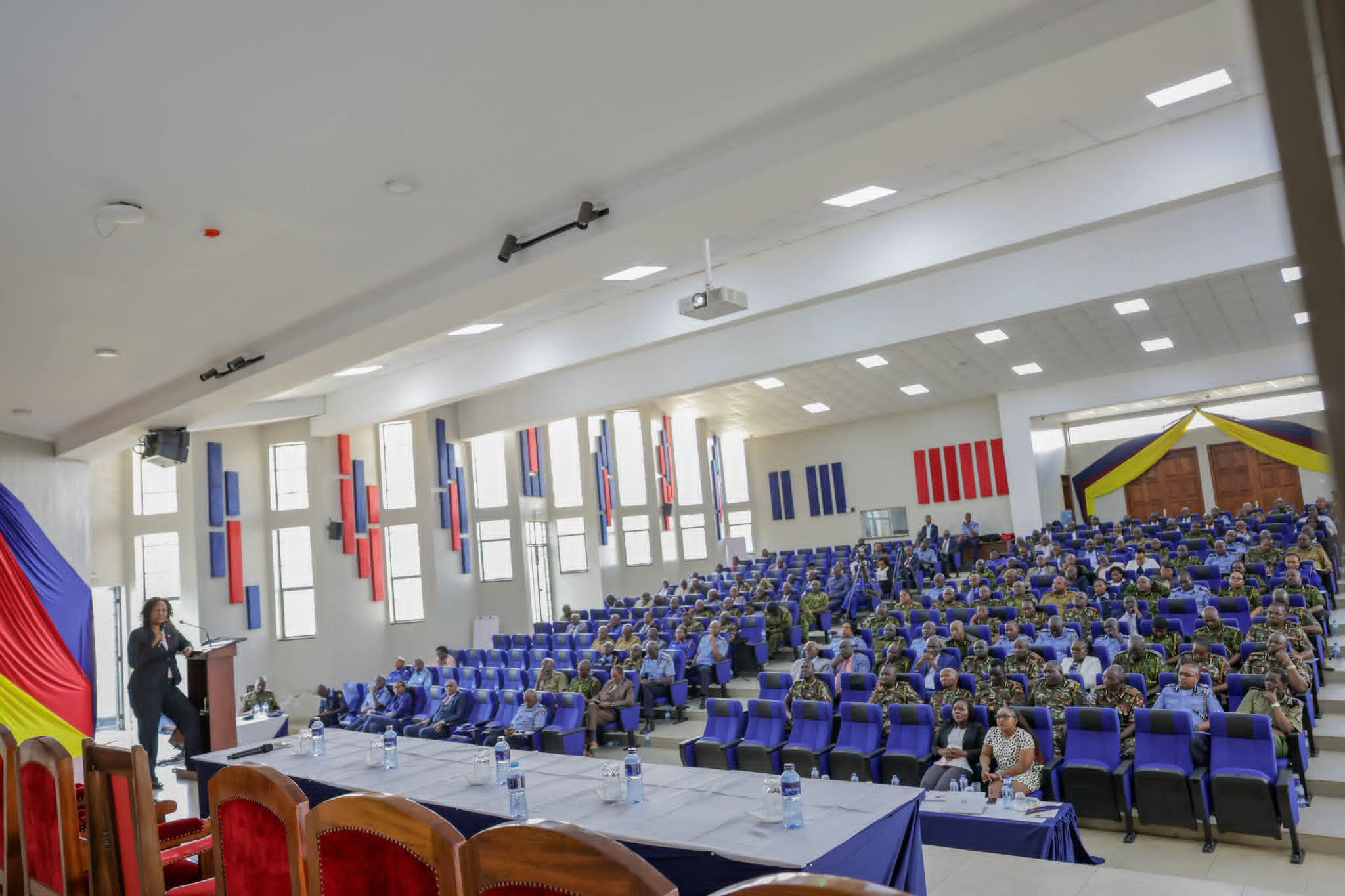
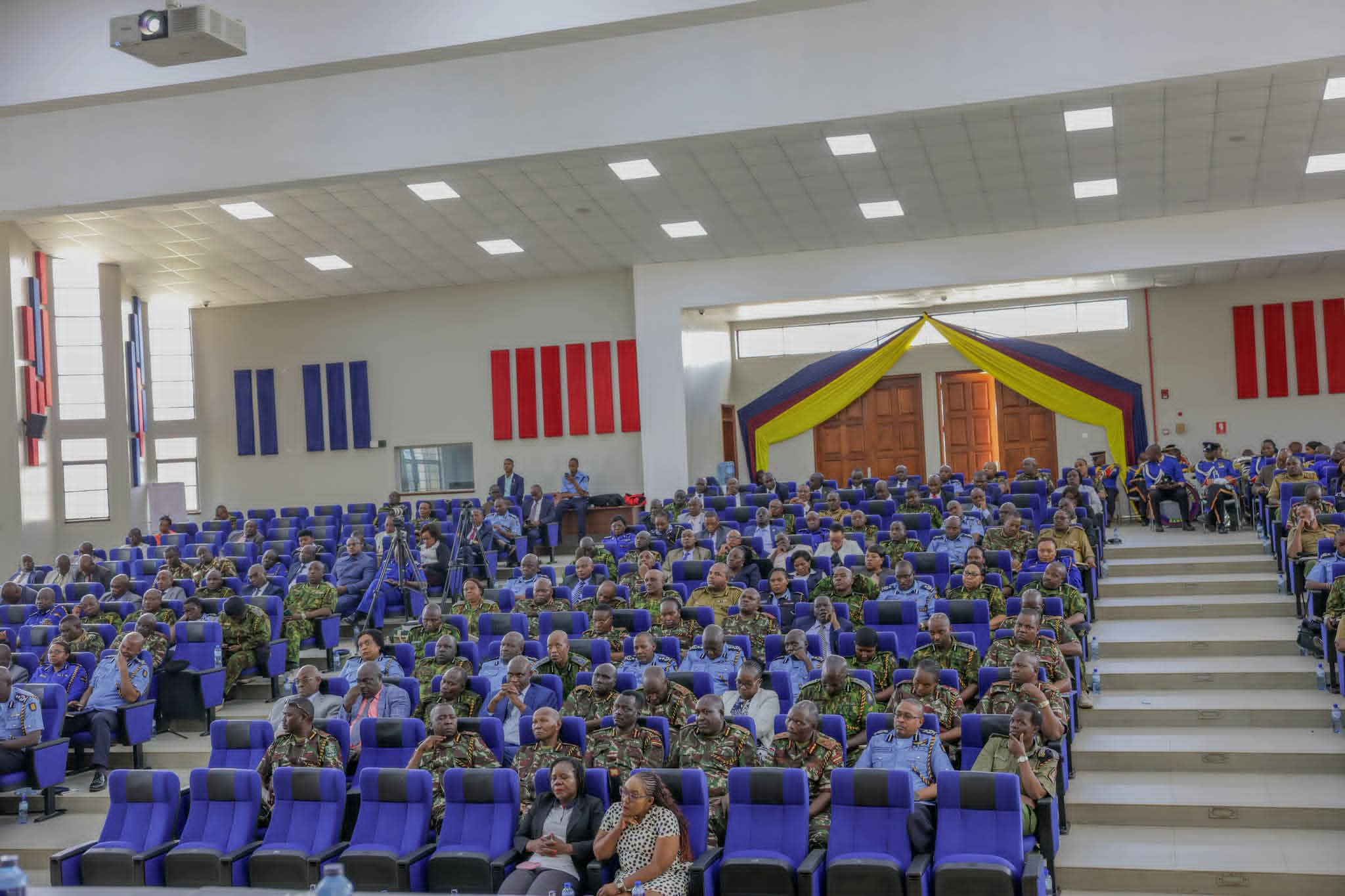
I joined senior police commanders from across the country, including Regional, Formation and County Commanders, in an engagement focused on strengthening election security preparedness, enhancing inter-agency coordination and clarifying the roles of security agencies in ensuring a peaceful electoral environment ahead of the 2027 General Election.
Few national undertakings are as demanding as an election. Each requires careful planning and close cooperation among multiple institutions. While the IEBC holds the constitutional mandate to conduct and supervise elections, creating and maintaining a secure environment for the electoral process is a shared responsibility.
The National Police Service plays a critical role in this undertaking. Police officers are responsible for maintaining law and order, protecting lives and property, safeguarding election materials and ensuring that voters, candidates and election officials can participate in the process without fear, intimidation or disruption.
During the conference, I emphasised the importance of ensuring that police commanders and officers understand their responsibilities throughout the electoral cycle. This includes operational preparedness, professionalism, impartiality and respect for human rights in the execution of their duties.
In my address, I reaffirmed the Commission’s commitment to working closely with the National Police Service and other security agencies through the Election Security Arrangement Programme (ESAP).
A key component of this initiative is the planned training of more than 200,000 police officers on electoral processes and their respective roles in election security.
The programme seeks to strengthen officers’ understanding of electoral procedures, the legal framework governing elections and the appropriate support required from security agencies. It will also enhance cooperation between security officers and election officials, improve operational coordination and ensure clarity of responsibilities.
Effective election security is not simply about responding when challenges arise. It requires proactive planning, timely information-sharing, open communication and coordinated action to prevent potential disruptions before they occur.
One message stood out throughout the engagement: peaceful, free, fair and credible elections cannot be achieved by one institution acting alone.
While the IEBC conducts and supervises elections, other institutions and stakeholders have equally important responsibilities. The Judiciary interprets the law and resolves electoral disputes, while the Office of the Director of Public Prosecutions (ODPP) ensures that electoral offences are subjected to lawful prosecution.
Political parties have a responsibility to conduct their activities peacefully and within the law. County administrations support coordination at the local level, while the media plays an important role in providing accurate and responsible information. Election observers contribute to transparency, and citizens have a responsibility to participate peacefully, respect divergent opinions and reject electoral violence.
These complementary roles demonstrate that protecting electoral integrity requires a whole-of-society approach founded on cooperation, accountability and respect for the rule of law.
As we move closer to the 2027 General Election, sustained engagement between the IEBC, the National Police Service and other stakeholders will remain essential.
Preparedness must translate into practical action through effective coordination, clearly defined responsibilities, continuous capacity-building and timely responses to emerging challenges. Equally important is ensuring that security agencies provide the necessary support while respecting the constitutional mandate and independence of the Commission.
Ultimately, election security goes beyond maintaining order on polling day. It is about protecting democratic space, safeguarding citizens’ rights and creating an environment where every eligible Kenyan can exercise their right to vote freely and without intimidation.
Through sustained collaboration under ESAP, the planned training of more than 200,000 police officers and strengthened inter-agency coordination, we are laying a strong foundation for a secure and peaceful 2027 General Election.
Securing the vote takes collective commitment. Protecting the peace requires coordinated action. Safeguarding our democracy is a responsibility we all share.