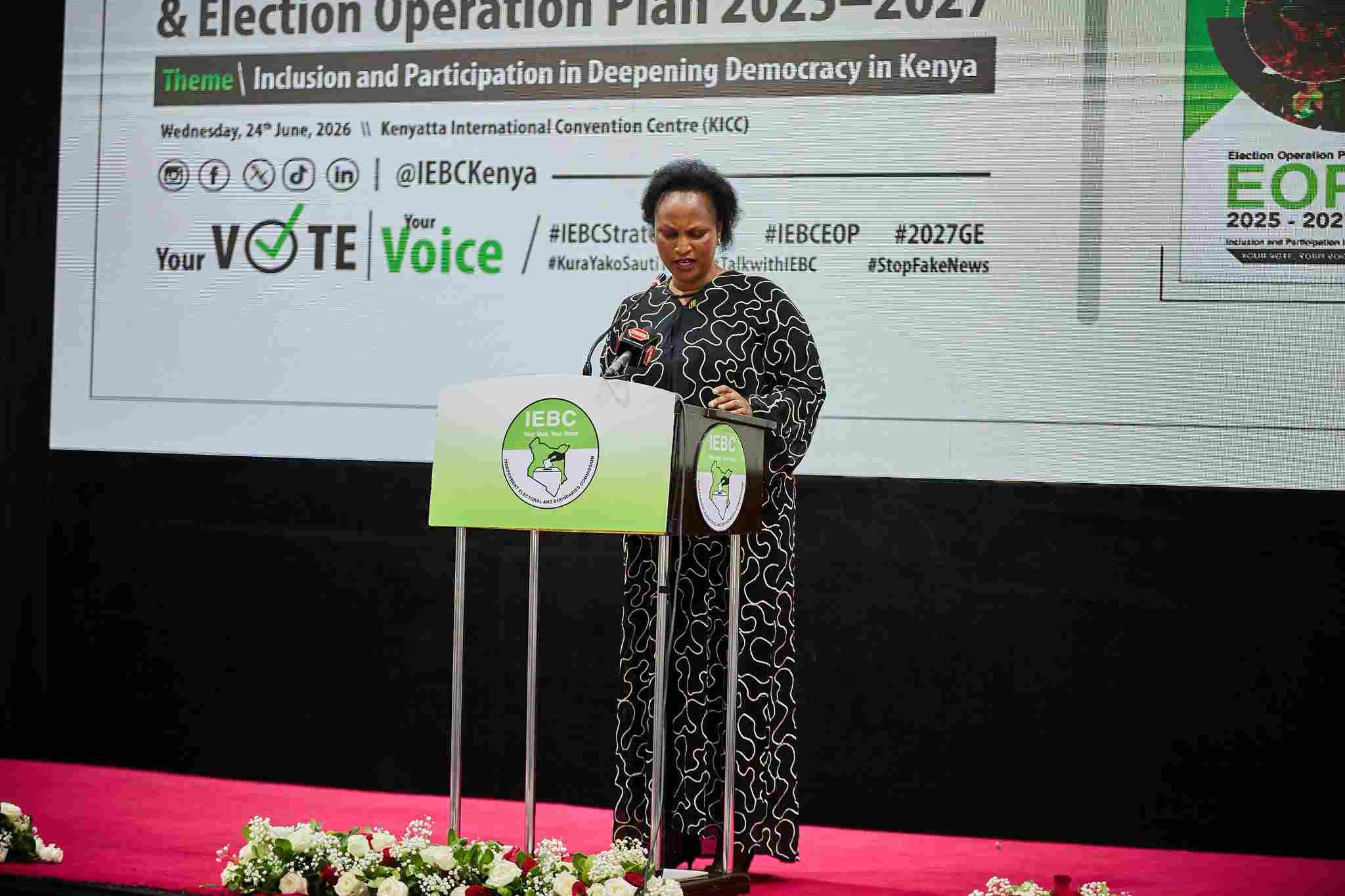
During the launch of the ORPP Strategic Plan 2025–2028, I joined key stakeholders in discussions on institutional collaboration and the importance of coordinated planning in preparing Kenya’s electoral institutions for the 2027 General Election.
In my address, I highlighted the Election Operations Plan (EOP) as a comprehensive roadmap anchored in the IEBC Strategic Plan 2024–2029. The Plan provides a structured framework for planning, coordinating, implementing and monitoring electoral activities, with the objective of ensuring that every stage of the electoral process is undertaken in a transparent, accountable and credible manner.
The EOP is also designed to strengthen stakeholder engagement and citizen participation while enhancing institutional resilience and compliance with Kenya’s constitutional and electoral framework. Effective electoral planning requires clarity of responsibilities, well-defined timelines and close coordination among institutions whose mandates intersect with the electoral process.
The Plan sets out key milestones towards the 2027 General Election, including timelines relating to public officers intending to contest elective positions, submission of political party membership lists, party primaries, resolution of nomination disputes, requirements for independent candidates, candidate nominations and the official campaign period.
These timelines provide important guidance to political parties, candidates, public institutions and other electoral stakeholders, enabling them to prepare adequately and fulfil their respective legal obligations within the prescribed periods.
The collaboration between IEBC, ORPP and other institutions remains important in ensuring that electoral preparations are coordinated, inclusive and responsive to the needs of Kenya’s democratic processes. As the country moves towards 2027, effective planning, institutional cooperation and adherence to the law will be central to delivering a peaceful, transparent and credible General Election.