Democracy is at its strongest when every citizen has the opportunity to participate, to be heard, and to help shape the future of their country. But for democracy to truly belong to everyone, inclusion cannot remain a statement of principle. It must be translated into deliberate action.
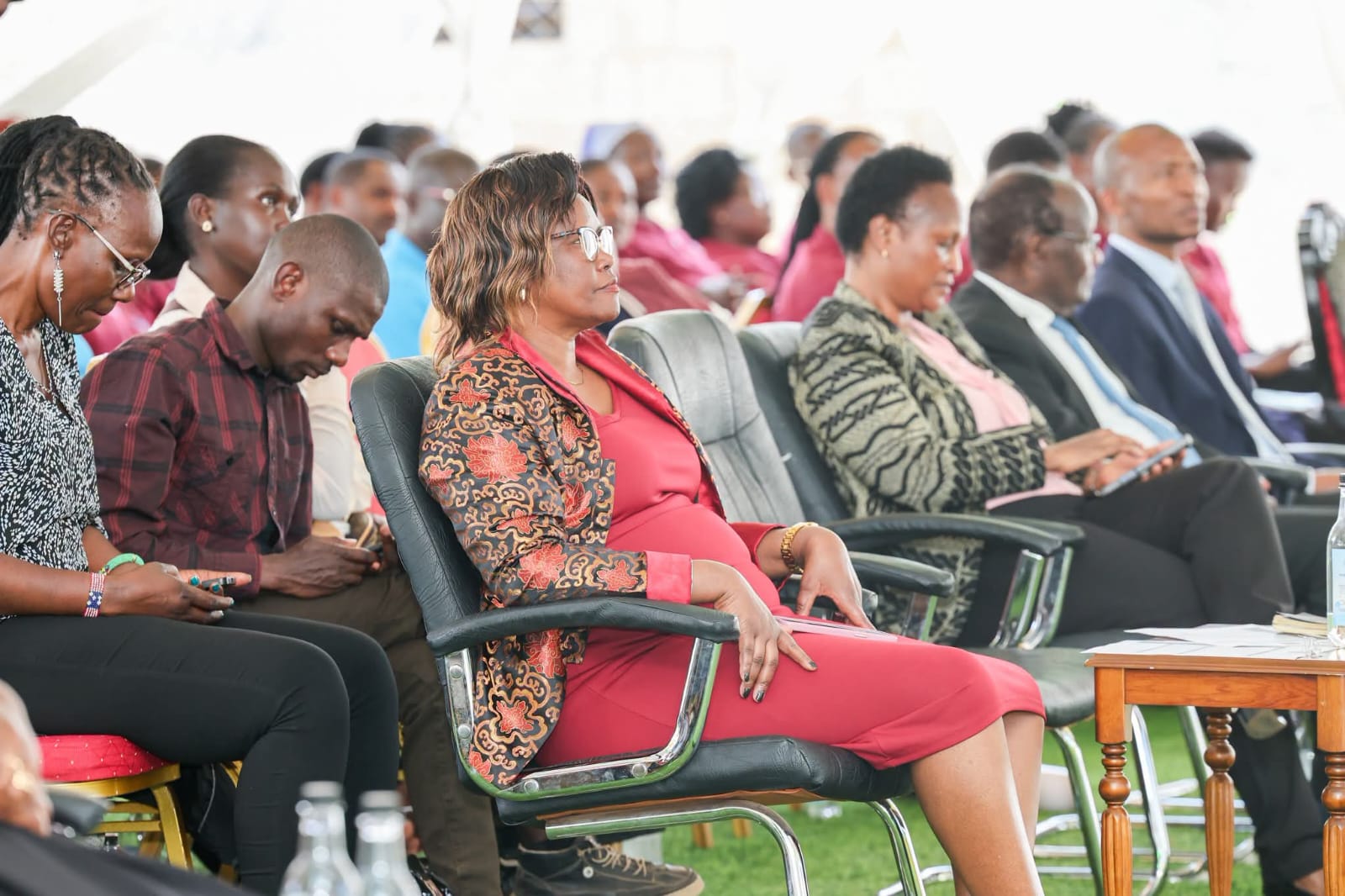
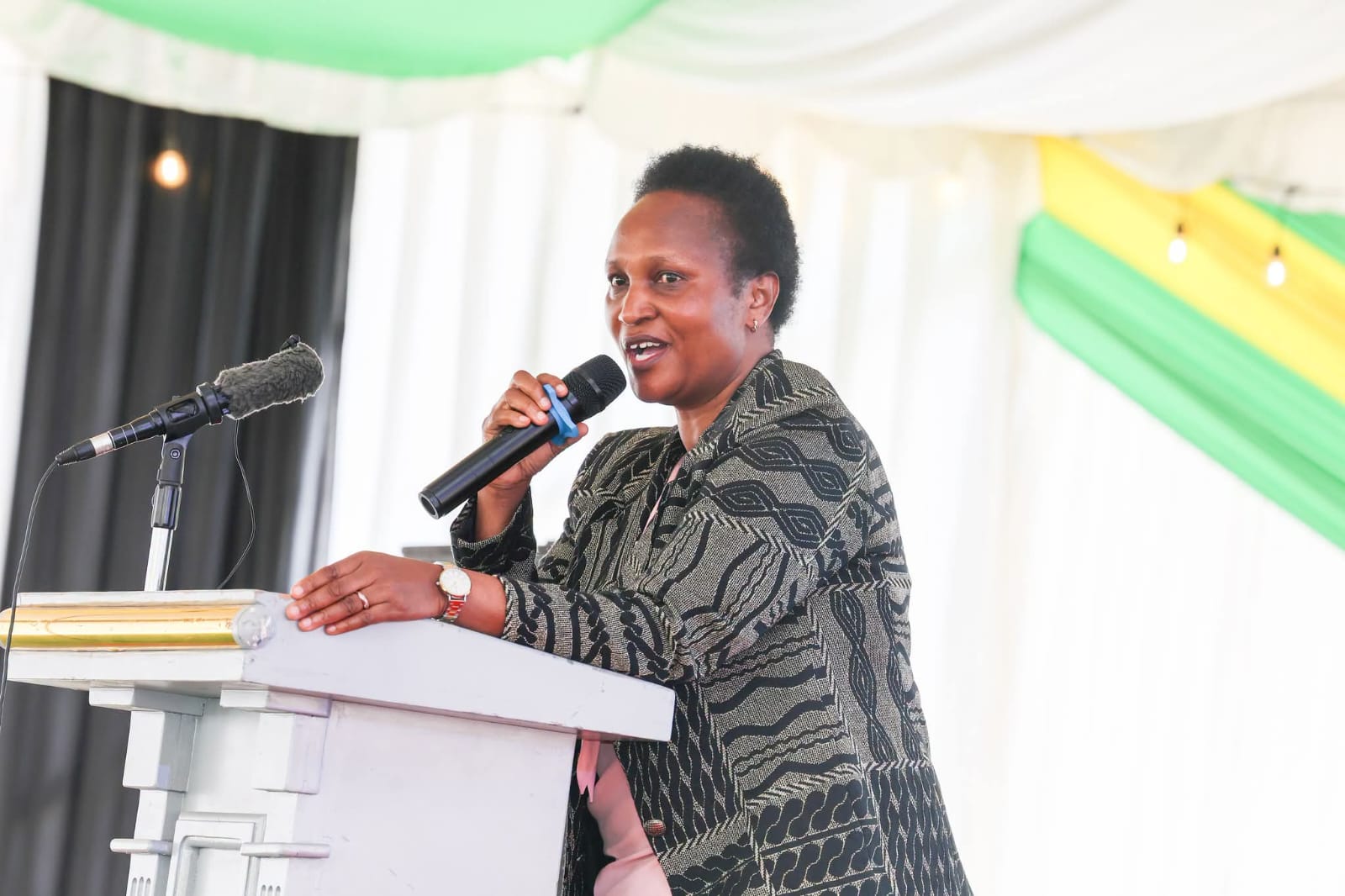
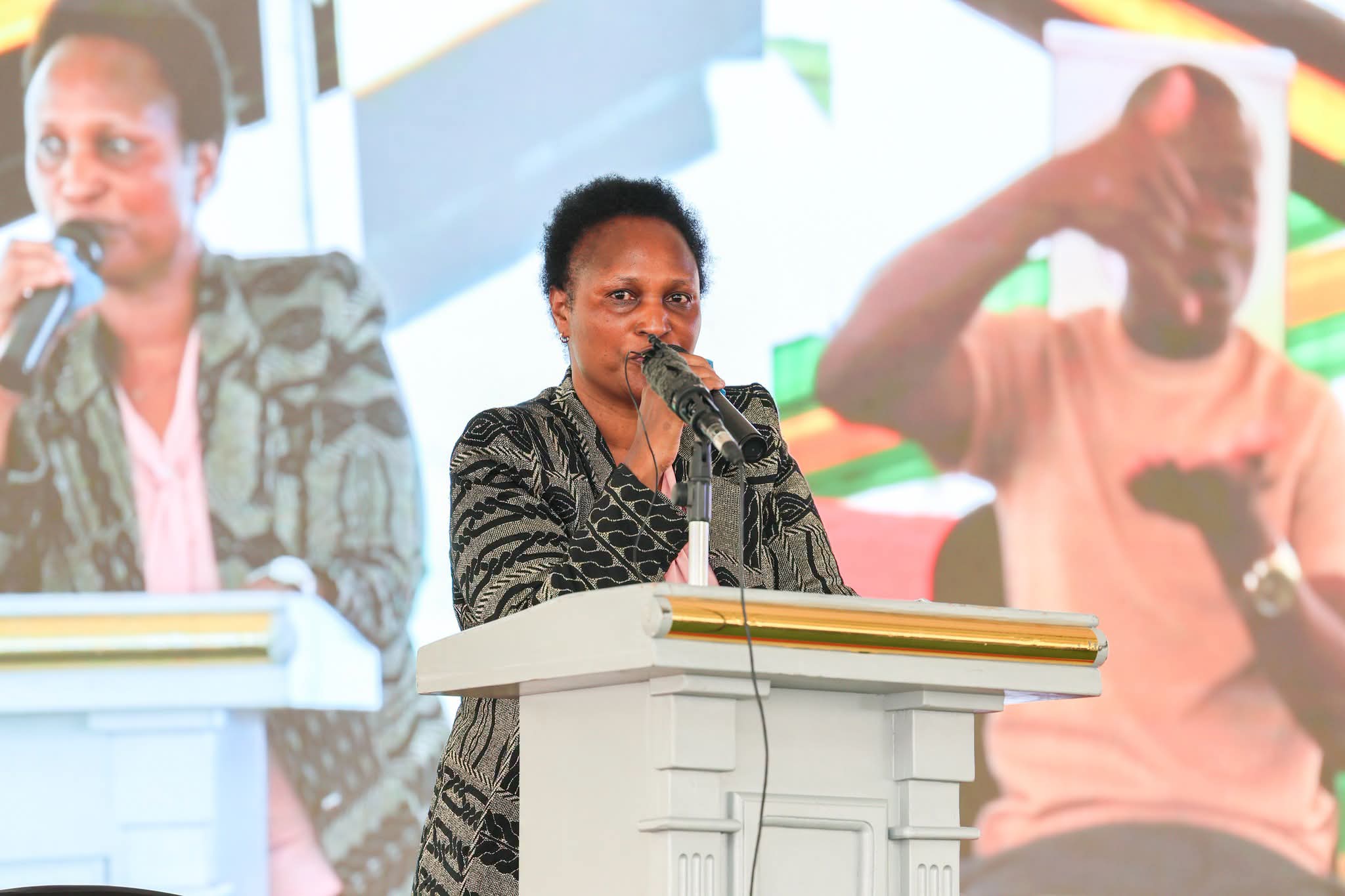
This conviction was at the heart of my recent engagement with members and representatives of the Deaf community at the Kenya Institute of Special Education (KISE) in Kasarani, Nairobi. We gathered to commemorate the International Week of Deaf People 2026, held from 21 to 27 September under the theme "Declaring Deaf People's Human Rights."
The theme is both timely and profound. Deaf people are not recipients of charity or goodwill. They are equal rights-holders whose voices, choices, and aspirations must be recognized and respected in every sphere of society, including governance and elections.
One message I shared with the Deaf community is that information is power. A citizen who has access to accurate, timely, and accessible information is better positioned to make informed decisions and to participate meaningfully in democracy.
For persons living with deafness, the accessibility of electoral information is therefore not an optional consideration. It is fundamental to their ability to exercise their democratic rights.
As we look towards the 2027 General Election, every eligible Kenyan should understand how to register as a voter, how to verify their registration details, how the electoral process works, and how to make an informed choice at the ballot.
My message was simple: Your Vote Is Your Voice.
I encouraged members of the Deaf community to participate not only as voters, but also as candidates, election officials, mobilisers, civic educators, and leaders. Democracy should not simply be something that happens to citizens. It should be something in which citizens actively participate.
The Independent Electoral and Boundaries Commission (IEBC) is intentional about inclusion. Our commitment is captured in our theme, "Inclusion and Participation in Deepening Democracy in Kenya."
For me, the word intentional matters. We cannot wait for inclusion to happen on its own. We must deliberately identify barriers, listen to the people affected by them, and develop practical solutions to remove them.
The Commission's Register of Voters currently captures 18,899 persons with hearing disabilities. Behind this number are thousands of individual citizens, each with aspirations, opinions, and democratic choices. Our responsibility is to ensure that these citizens can access electoral information and services in ways that enable them to participate independently and meaningfully.
The Commission has already taken several concrete steps to strengthen disability inclusion. We have trained 100 sign language champions and allocated resources to support disability inclusion and voter education across all 290 constituencies.
We have established a Disability Inclusion Committee at the Commission's headquarters, and we have undertaken initiatives to strengthen the capacity of media practitioners on gender and disability reporting. Importantly, the Commission has developed a policy on inclusive elections that provides a practical approach to embedding inclusion within electoral management.
But policies are only meaningful when they improve people's experiences. We therefore have a responsibility to keep engaging with persons with disabilities and their representative organizations, and to ensure that electoral information is communicated in accessible formats, including through sign language.
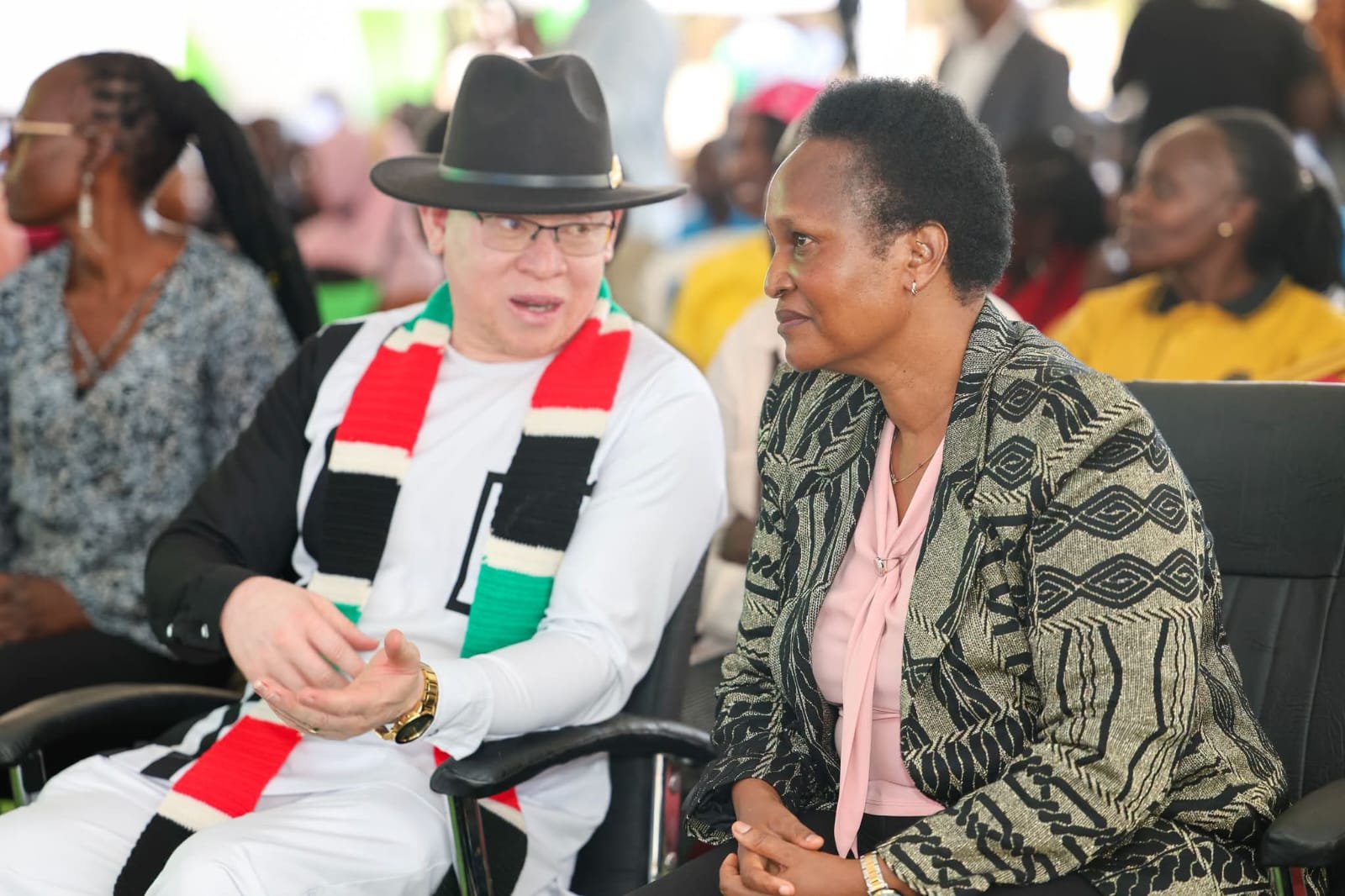
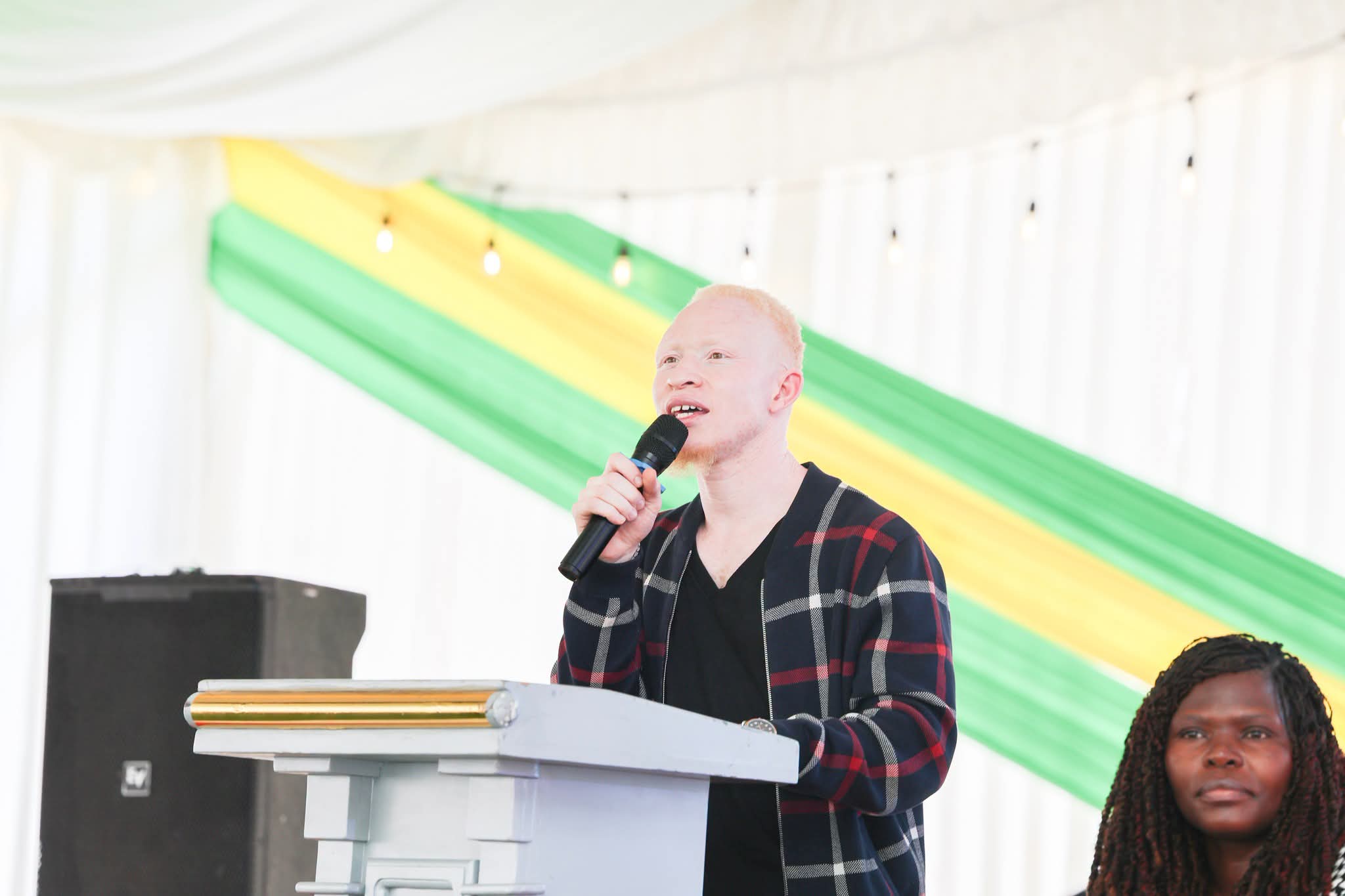
During the engagement, Hon. Isaac Mwaura, Head of the Office of Diversity, Inclusion, and Disability Rights in the Executive Office of the President, challenged the Deaf community to position itself for greater participation in leadership and governance. His message was clear: there must be space for persons who are deaf in our governance institutions.
We have seen persons with different disabilities rise to positions of leadership and representation. Yet there is still work to be done to ensure that the Deaf community achieves meaningful representation in our national and county institutions.
Representation matters because people bring their lived experiences into the spaces where decisions are made. A Parliament, a County Assembly, or a public institution that reflects the diversity of the people it serves is better positioned to understand and respond to the realities of its citizens. The journey towards greater representation therefore requires both institutional openness and citizens who are willing to step forward and participate.
As we deepen our democracy, we must also pay close attention to representation at the county level. There are genuine concerns about the decline in the representation of persons with disabilities in County Assemblies, and this should challenge all of us to reflect on what more can be done.
Inclusion must reach all 47 counties. It must be reflected in our laws, policies, institutions, political parties, electoral processes, and everyday practices.
And inclusion is not the responsibility of the IEBC alone. Government institutions, political parties, civil society organizations, the media, persons with disabilities, and the wider public all have a role to play. Even learning basic sign language can be an important step towards building a society in which communication barriers do not prevent people from accessing public services or participating in public life.
As the country prepares for the 2027 General Election, our focus must remain on building an electoral process in which every eligible citizen can participate with dignity.
For the Deaf community, this means accessible voter education. It means accessible registration and verification processes. It means accessible communication. It means creating an environment where persons who are deaf can confidently participate as voters, candidates, election officials, and civic actors.
Above all, it means recognizing that inclusion is not a favors extended to a minority. It is a democratic obligation and a human right.
The conversations we had at KISE reminded me that democracy is not measured only by the conduct of elections. It is also measured by who is able to participate, whose voice is heard, and who feels that they belong in the democratic process.
As we move towards 2027, let us make inclusion actionable. Let us listen. Let us remove barriers. Let us create opportunities for participation. And let us ensure that no Kenyan is left behind because of a disability.
To the Deaf community, I say: your rights matter, your participation matters, and your voice matters.
Your Vote Is Your Voice.
Together, let us deepen democracy by ensuring that every voice has a place in Kenya's democratic journey.