An election can be technically successful and still leave people behind. Ballot papers may arrive on time. Polling stations may open. Votes may be counted, and results declared. But the true measure of a democratic election is deeper: could every Kenyan participate meaningfully, safely,
independently and with dignity? As Kenya moves towards the 2027 General Election, this question must sit at the heart of electoral preparedness because preparing for an election is a process, not an event. The question is not simply whether the IEBC is ready today, but whether we are meeting the milestones necessary to deliver a credible and inclusive election. On that measure, the Commission is on course. The Strategic Plan and Election Operations Plan for 2027 have been launched and published; proposed legal reforms have been submitted to Parliament; the Election Campaign Financing Regulations, 2026 have been gazetted; critical procurement is underway; and recruitment for key personnel is progressing. But operational readiness must also mean inclusive readiness.
The Ballot Must Reach Everyone
For persons with disabilities, the ability to vote cannot depend on chance. Beyond assistance mechanisms already provided in law, the Commission is working towards braille and tactile voting materials, accessible polling rooms, and the use of disability data captured during registration to deploy
appropriate support including interpretation services.
"Inclusion is not about opening doors; it is about ensuring that those who
walk, wheel or sign through them can fully participate on the other side."
The secrecy and dignity of the ballot should not diminish because a voter has a disability. A ballot cast with assistance is not the same as a ballot cast with autonomy and Kenyans with disabilities deserve the latter.
Women and Youth: Access Is Not Enough
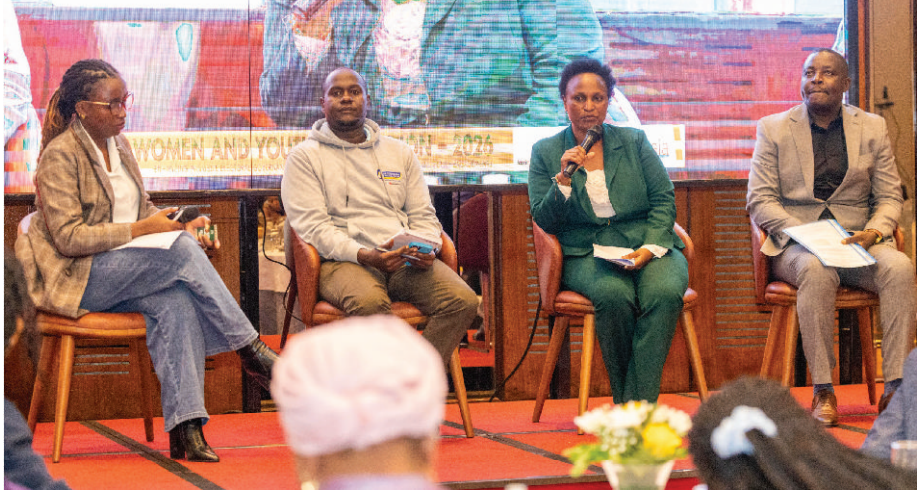
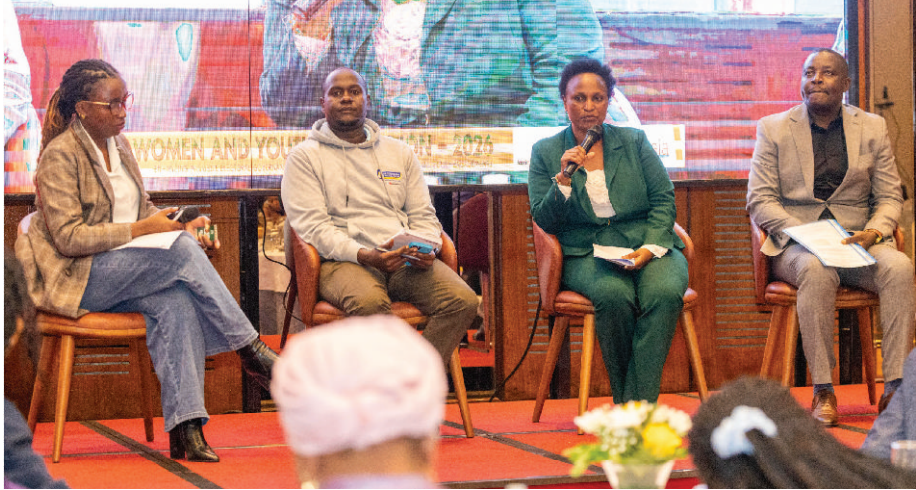
For women and young people, inclusion must extend beyond access to the ballot. Women continue to encounter financial barriers, intimidation and political violence. Young people face structural barriers to meaningful participation. The Electoral Code of Conduct provides an important enforcement mechanism but a mechanism without timely enforcement is a promise without weight. "Justice delivered after an election may come too late for a candidate whose democratic opportunity has already been lost."
Electoral integrity requires collective responsibility: the Commission, political parties, security agencies, investigative and prosecutorial institutions, civil society and citizens. A woman intimidated into withdrawing from a race cannot be made whole by a post-election ruling. A young person whose nomination is blocked by violence cannot recover a stolen democratic moment. The political rights stipulated in Article 38 read together with Article 27, Article 10 and the Bill of Rights must be operationalized by all duty bearers to ensure an inclusive electoral environment. The barriers to inclusion must be addressed purposively and intentionally not only by IEBC but by political parties, security agencies, judiciary and all people participating in the 2027 General Elections.
The True Measure of 2027
Ultimately, the success of 2027 will not be measured by technology and results transmission alone. It will be measured by whether a woman can campaign without intimidation; a young person can realistically contest; a voter with a disability can cast their ballot independently and with dignity; and whether citizens can participate without fear of violence. Inclusive elections cannot be delivered by IEBC alone. They require institutions that enforce the law, political actors who respect it, and citizens who refuse
violence, bribery and intimidation.
"An inclusive election is not one in which everyone was simply allowed
to participate. It is one in which everyone was genuinely able to."
Because democracy must have room for everyone or it has room for no one.
Dr Anne Nderitu, CBS is a Commissioner at the Independent
Electoral and Boundaries Commission (IEBC), Kenya.