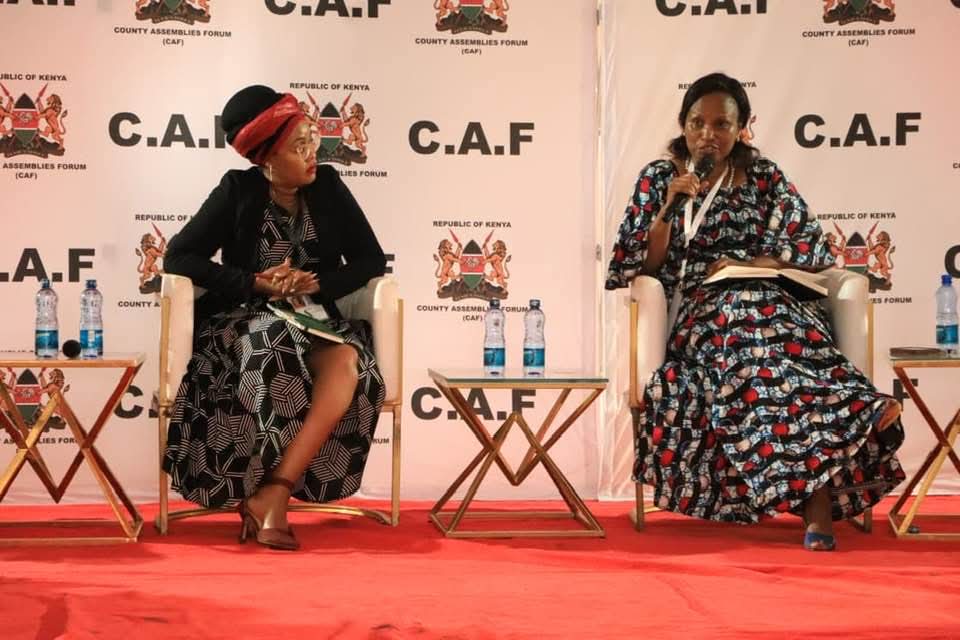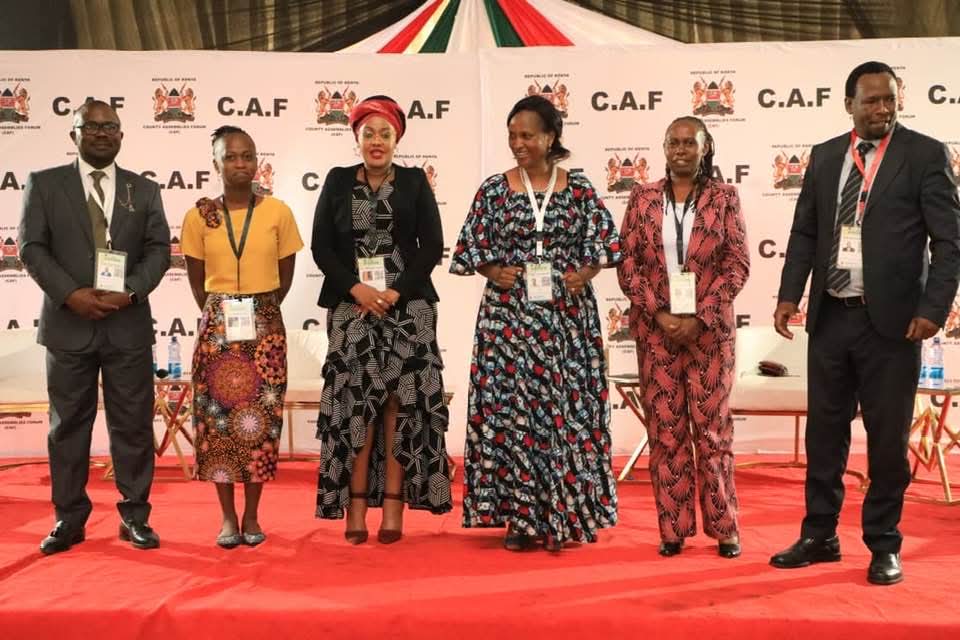
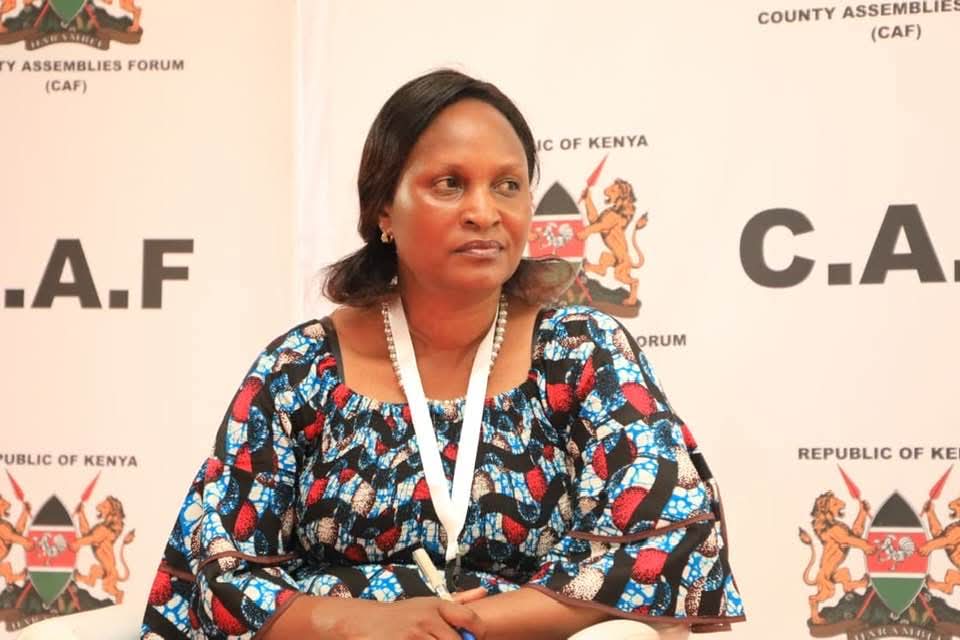
Today, I had the opportunity to serve as a guest speaker and later as a panelist during the Women Legislators Conference (WLC) 2026, an initiative of the County Assemblies Forum (CAF).
The conference brought together Women Members of County Assembly (MCAs) from across Kenya’s 47 counties, alongside Speakers and staff of County Assemblies. It provided an important platform for reflection and dialogue on women’s participation in electoral and political processes, particularly as the country continues preparations for the 2027 General Election.
A key issue emerging from our discussions was the need to increase the number of women appearing on the ballot paper. While women continue to make important contributions to leadership and governance at both national and county levels, meaningful participation requires that more women are able to compete for elective positions and participate fully throughout the electoral process.
However, increasing women’s representation cannot be separated from the challenge of gender-based electoral violence. Women candidates, aspirants and political actors can face forms of violence and intimidation that may discourage them from participating in elections or seeking elective office.
Addressing this challenge requires a multi-stakeholder approach. Electoral institutions, security agencies, political parties, civil society organizations, the media, communities and other relevant stakeholders all have a role to play in creating an environment where women can participate in elections freely, safely and without intimidation. Preventing violence should not only be a responsibility during election periods; it requires sustained awareness, prevention, reporting and response mechanisms before, during and after elections.
Our conversations also underscored a fundamental point: inclusion in elections begins with participation as a voter.
Women, youth, persons with disabilities (PWDs) and other historically underrepresented groups need to be encouraged and supported to register as voters and participate in the democratic process. Voter registration is the first step through which citizens formally position themselves to exercise their constitutional right to participate in choosing their leaders.
The Independent Electoral and Boundaries Commission (IEBC) has continued to facilitate voter registration across the country. In 2026, the Commission conducted an Enhanced Continuous Voter Registration exercise from 30 March to 28 April, covering all 1,450 County Assembly Wards, Constituency Offices, Huduma Centers, institutions of higher learning and other designated registration centers.
The journey towards an inclusive 2027 General Election therefore begins long before the ballot is cast. It begins with ensuring that eligible citizens register, that voters have access to electoral information, and that women and other underrepresented groups can participate without barriers or fear.
As we look towards 2027, the conversation on gender and elections must therefore move beyond numbers. It must also address access, safety, dignity, equal opportunity and meaningful participation.
The Women Legislators Conference 2026 provided a valuable space for these conversations. It reminded us that building an inclusive democracy is a shared responsibility and that every stakeholder has a role to play in ensuring that Kenya’s electoral processes provide room for all citizens to participate.
A more inclusive democracy begins with participation and participation begins with having a voice, a vote and a safe space to exercise both.