Kenya’s democracy depends not only on the ability of citizens to cast their votes, but also on our collective ability to create an environment in which every voter, candidate, election official and stakeholder can participate freely, safely and without fear.
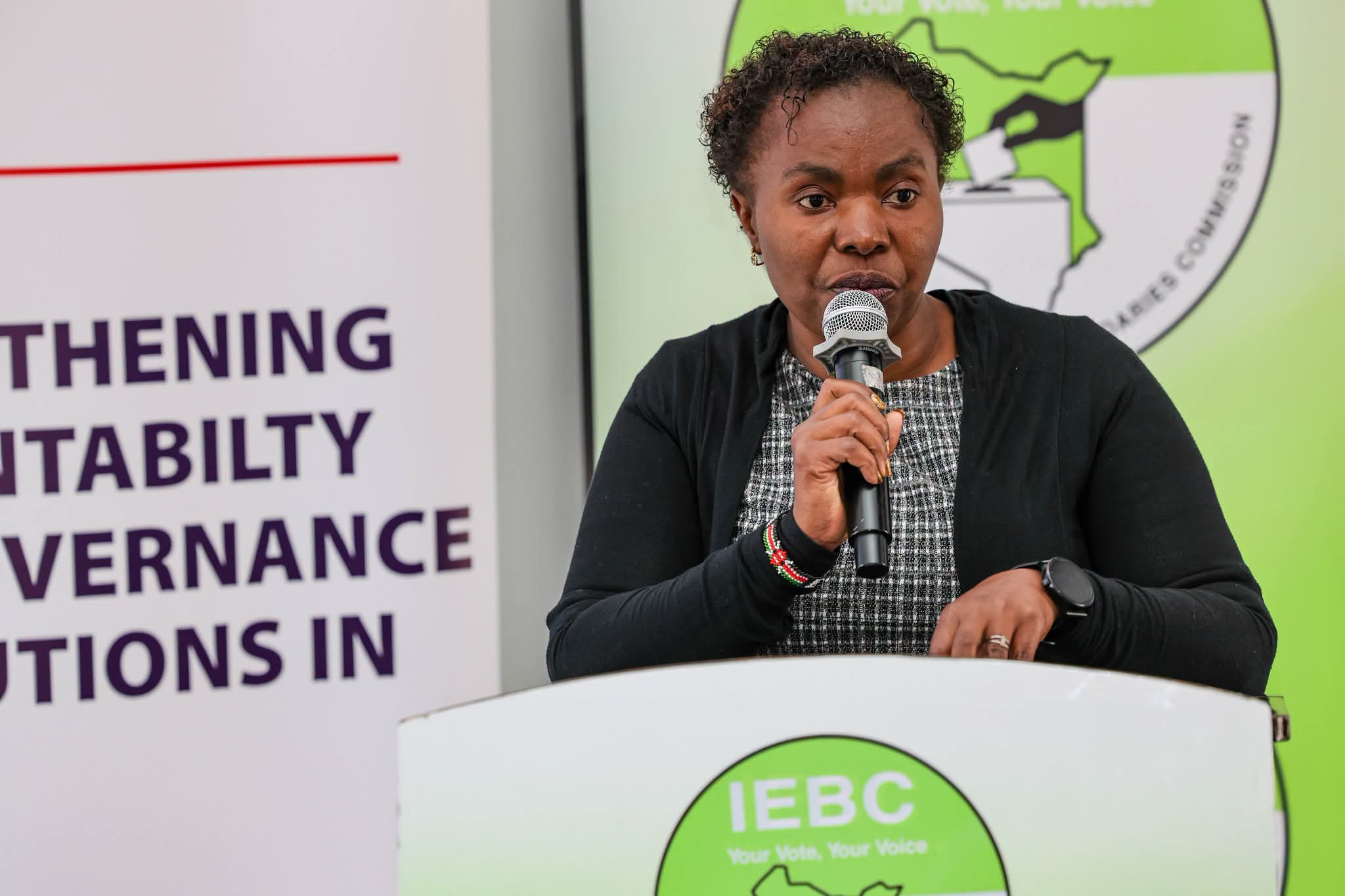
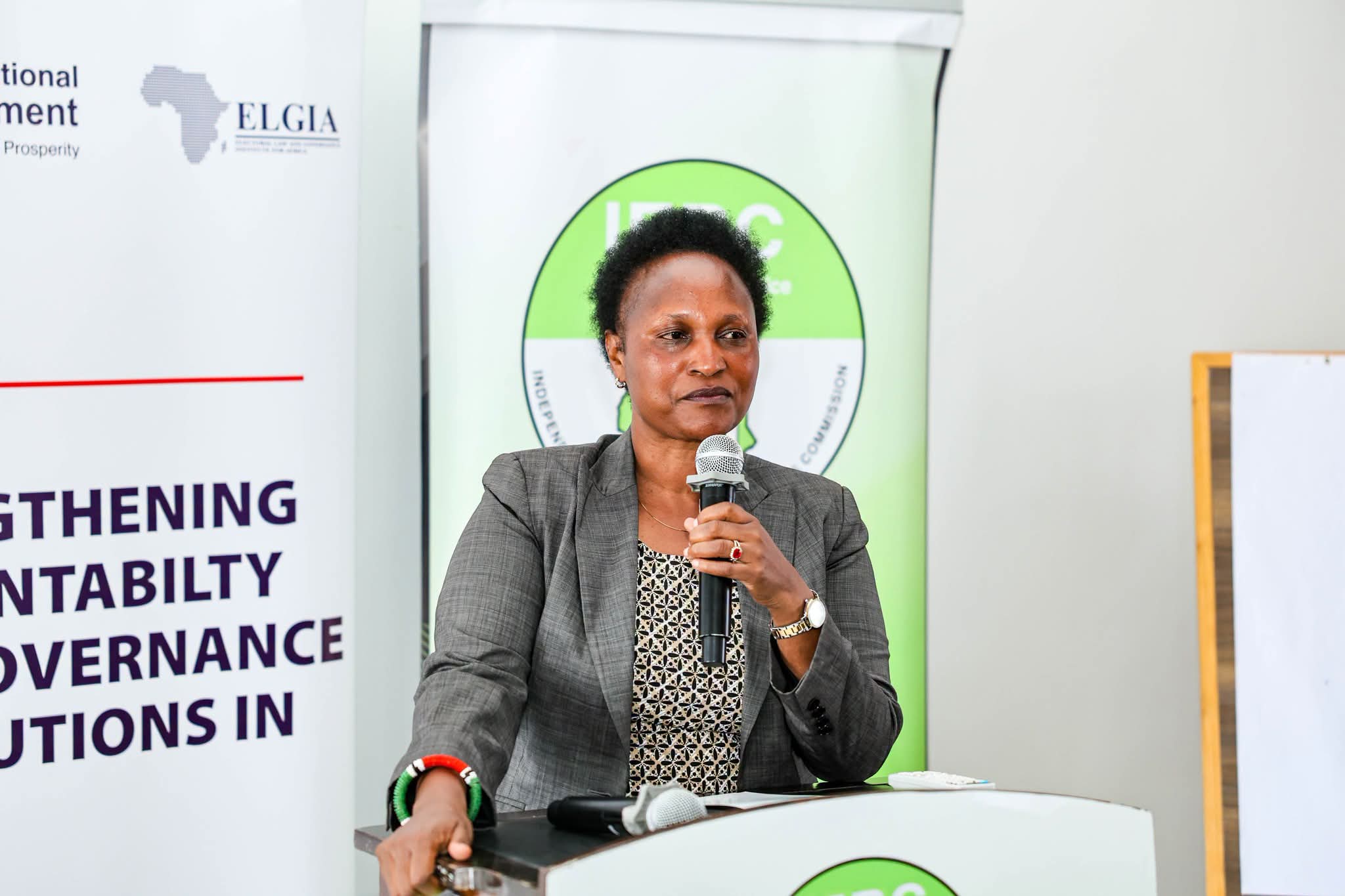
I joined colleagues and key stakeholders at the Electoral Security Arrangement Programme (ESAP) review workshop, bringing together the National Police Service, Office of the Director of Public Prosecutions (ODPP), Judiciary, National Cohesion and Integration Commission (NCIC), Independent Policing Oversight Authority (IPOA) and the Independent Electoral and Boundaries Commission (IEBC).
The workshop provided an important opportunity to reflect on the progress made in strengthening electoral security, identify existing gaps and agree on measures that can further enhance preparedness ahead of the 2027 General Election.
Electoral security cannot be the responsibility of one institution alone. It requires close coordination between electoral authorities, security agencies, the justice system, political actors, civil society, the media and, most importantly, citizens. Each institution has a distinct mandate, but these mandates must work together to protect the democratic process.
Article 81 of the Constitution sets clear principles for our elections, including that elections must be free from violence, intimidation, improper influence and corruption. These principles provide the foundation upon which electoral security must be built.
One of the key lessons from previous electoral periods, including recent by-elections, is that political competition can quickly become volatile when disagreements are allowed to escalate into intimidation or violence. This makes early identification of risks and timely intervention particularly important.
The campaign period deserves special attention. For the 2027 General Election, campaigns are expected to commence upon registration of a candidate, not earlier than 29 May 2027, and conclude on 7 August 2027. This period will require heightened vigilance, effective enforcement of the Electoral Code of Conduct and strong coordination among institutions responsible for maintaining peace and order.
The Commission is also planning extensive training for election officials and members of the security sector on electoral laws, election procedures and public order management. Strengthening investigations and prosecutions, improving inter-agency information sharing, and developing integrated early-warning and response mechanisms will be critical components of this preparedness.
We must also confront the emerging challenge of political violence and the use of organized groups to intimidate political opponents, disrupt rallies or interfere with electoral activities. There can be no justification for violence or intimidation in a democratic society. Political competition must be conducted within the law, and violations of electoral rules must attract appropriate consequences irrespective of the status or political affiliation of those involved.
The Electoral Security Arrangement Programme therefore represents more than an institutional framework. It is a shared commitment to protecting the democratic space and ensuring that disputes are addressed through lawful and peaceful mechanisms.
As we prepare for 2027, our objective must go beyond securing Election Day. We must secure the entire electoral cycle from campaigns and voter engagement to polling, counting, declaration of results and the resolution of electoral disputes.
The credibility of an election is ultimately shaped by the environment in which it is conducted. Every Kenyan should be able to participate without fear, every candidate should compete within the law, and every institution should discharge its mandate independently and professionally.
The responsibility is collective. By working together, identifying risks early, responding decisively to threats and upholding the rule of law, we can strengthen public confidence and protect Kenya’s democratic gains.
A peaceful, credible and inclusive election is not achieved on Election Day. It is built through preparation, cooperation, accountability and respect for the law long before Kenyans go to the polls.
Our commitment must therefore remain clear: protect the voter, protect the electoral process and protect Kenya’s democracy.