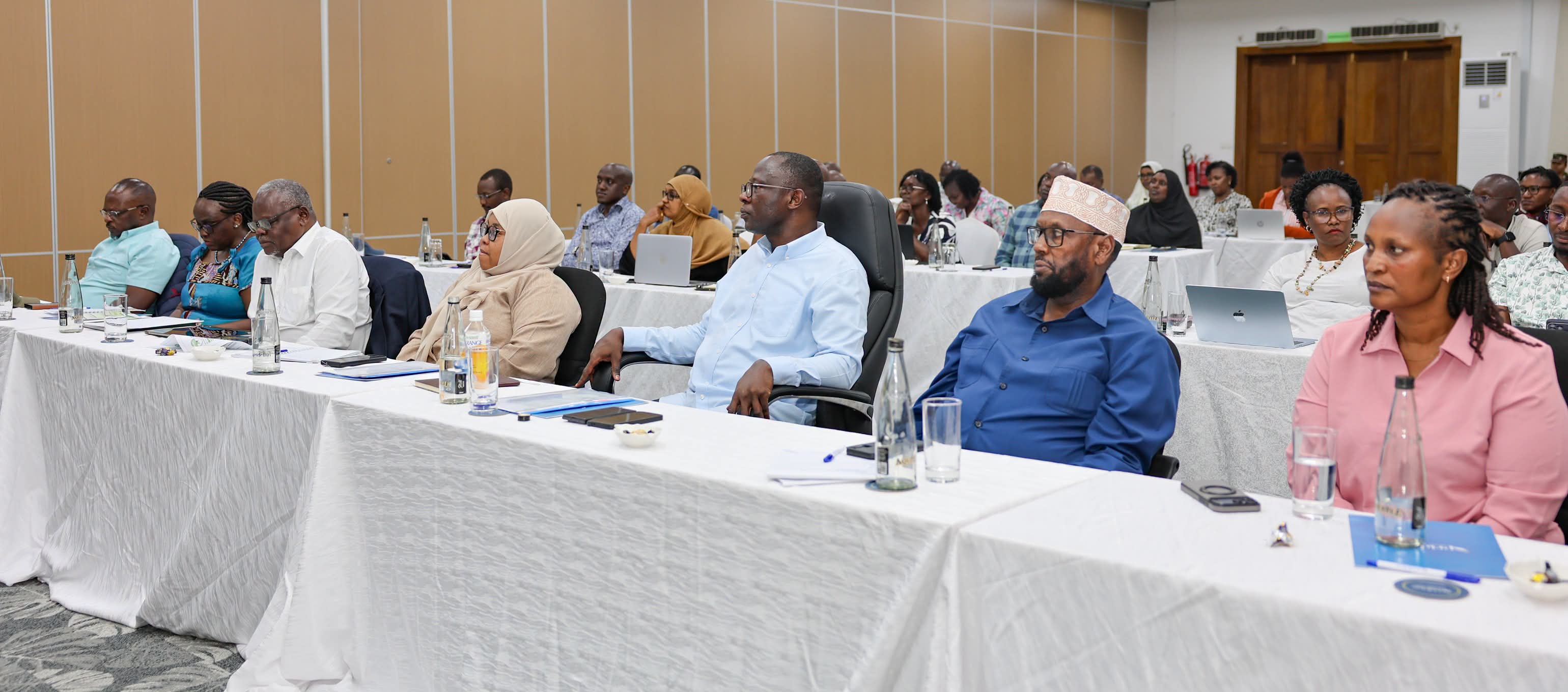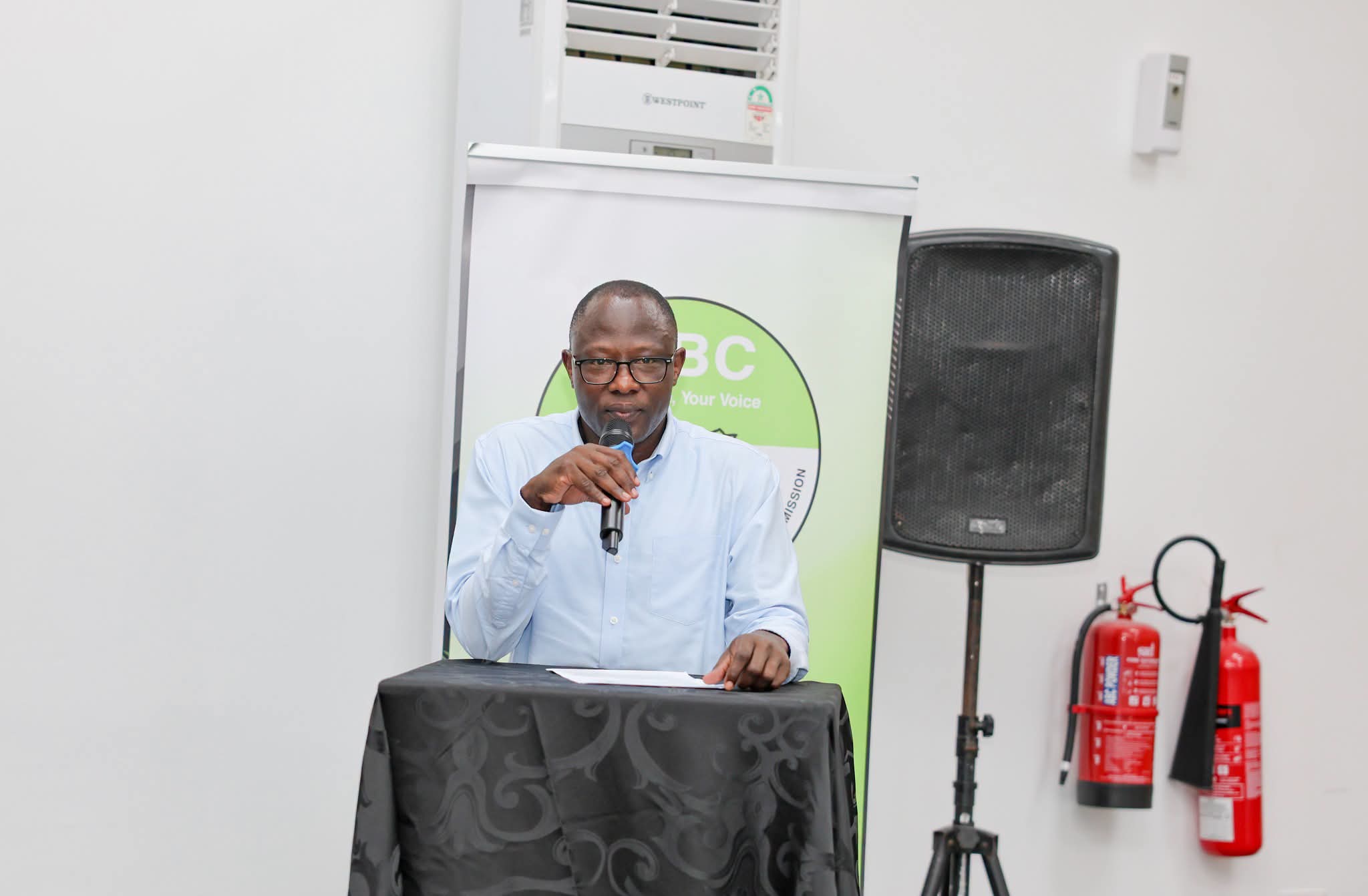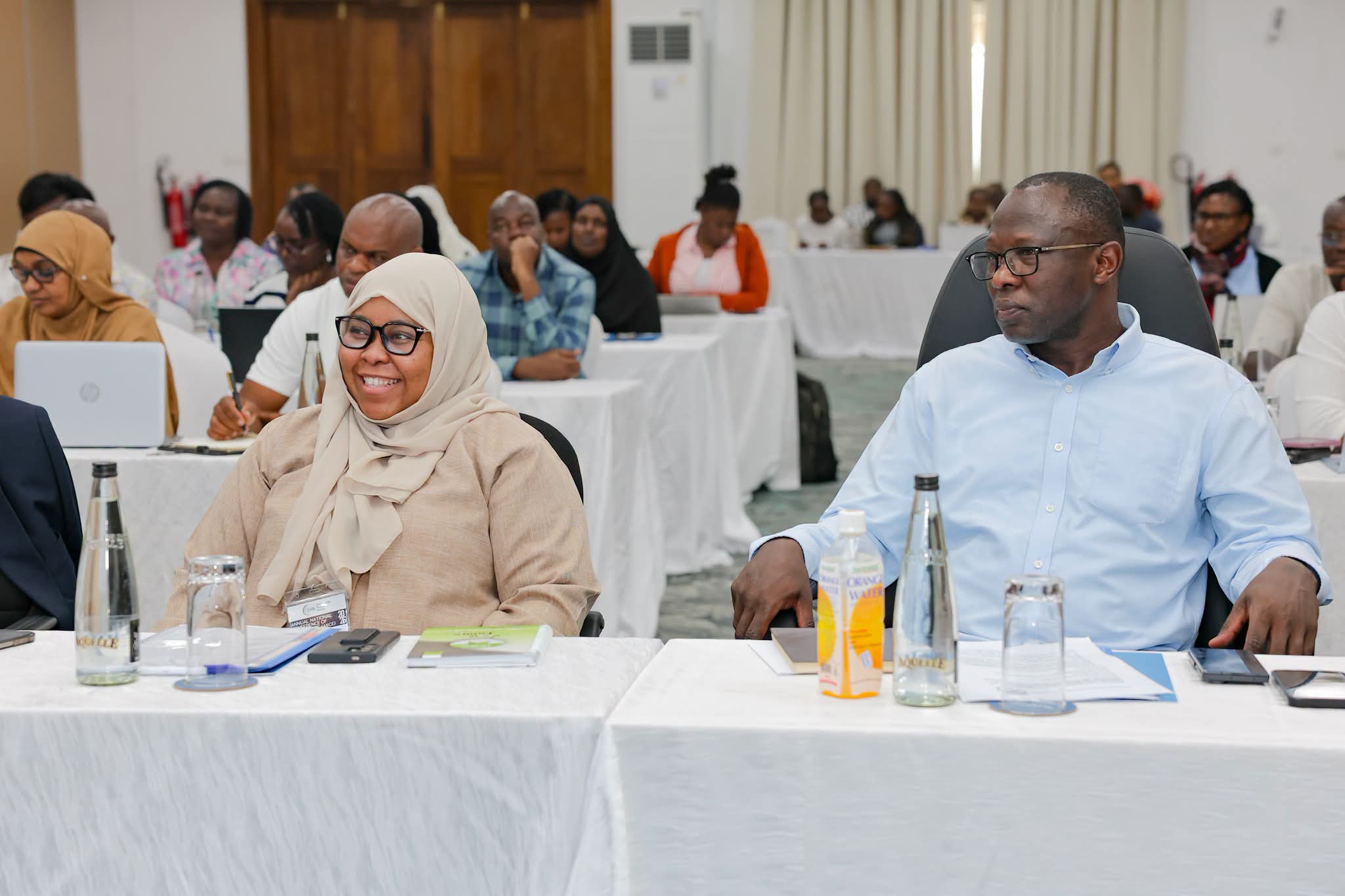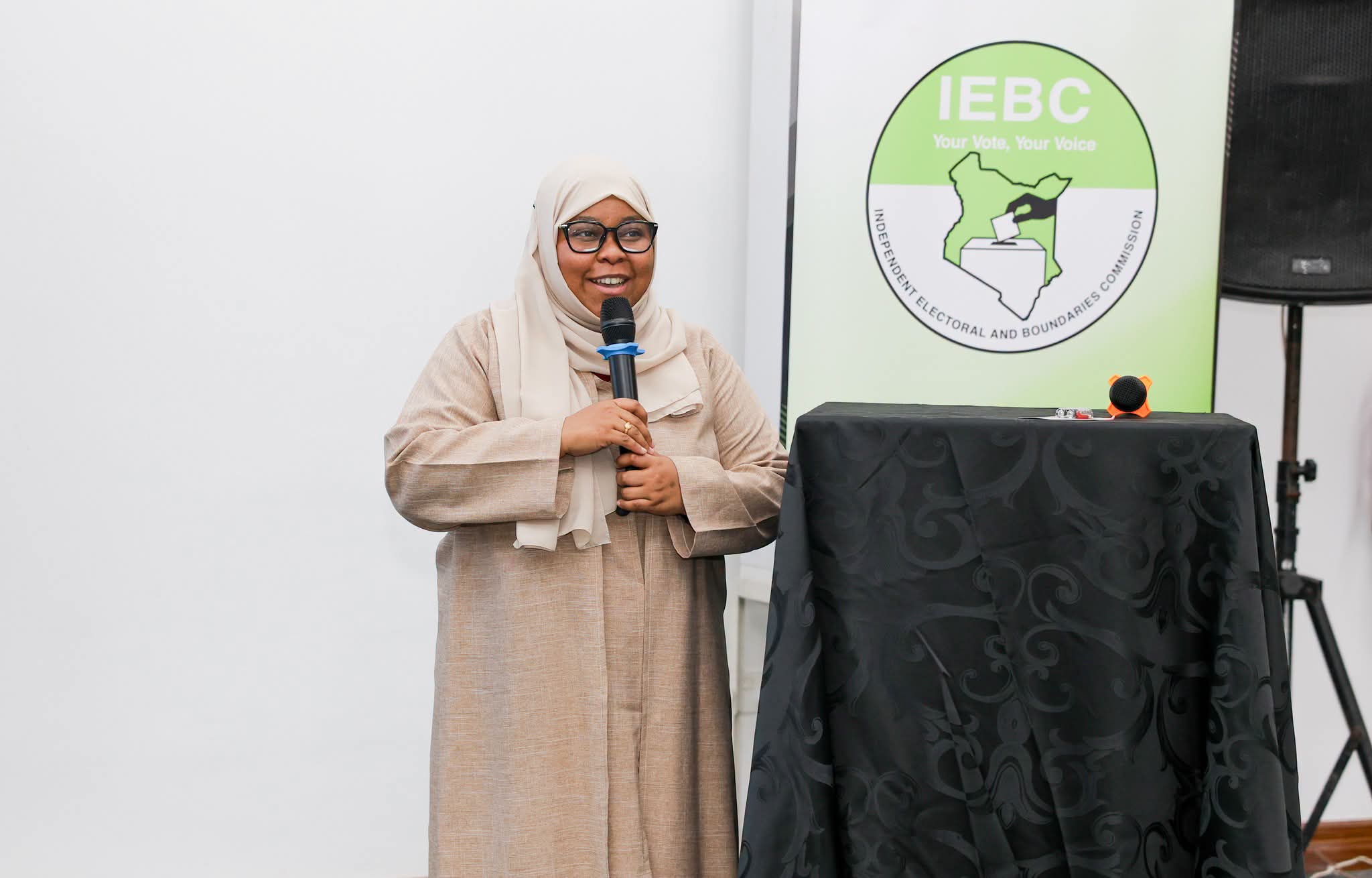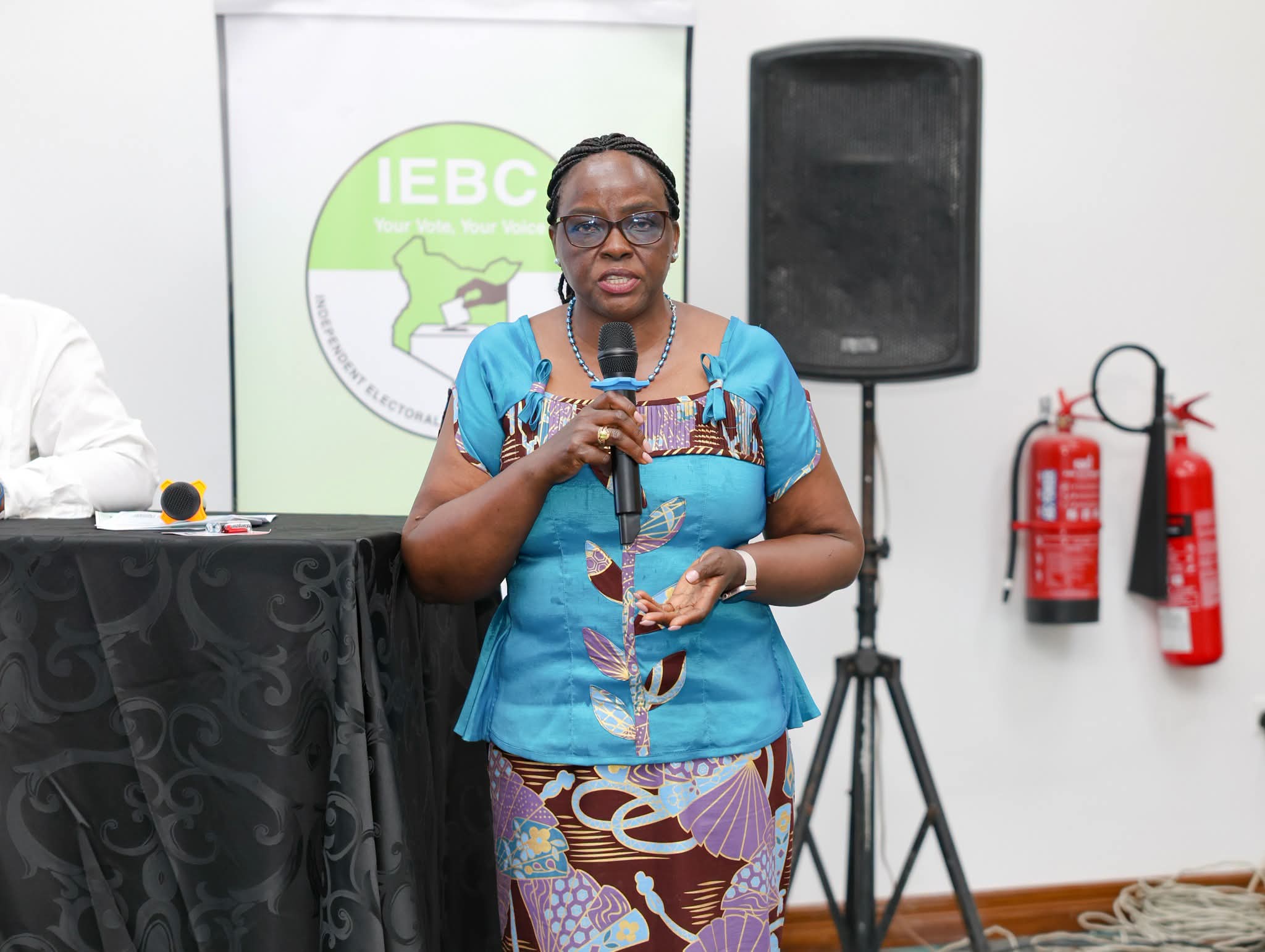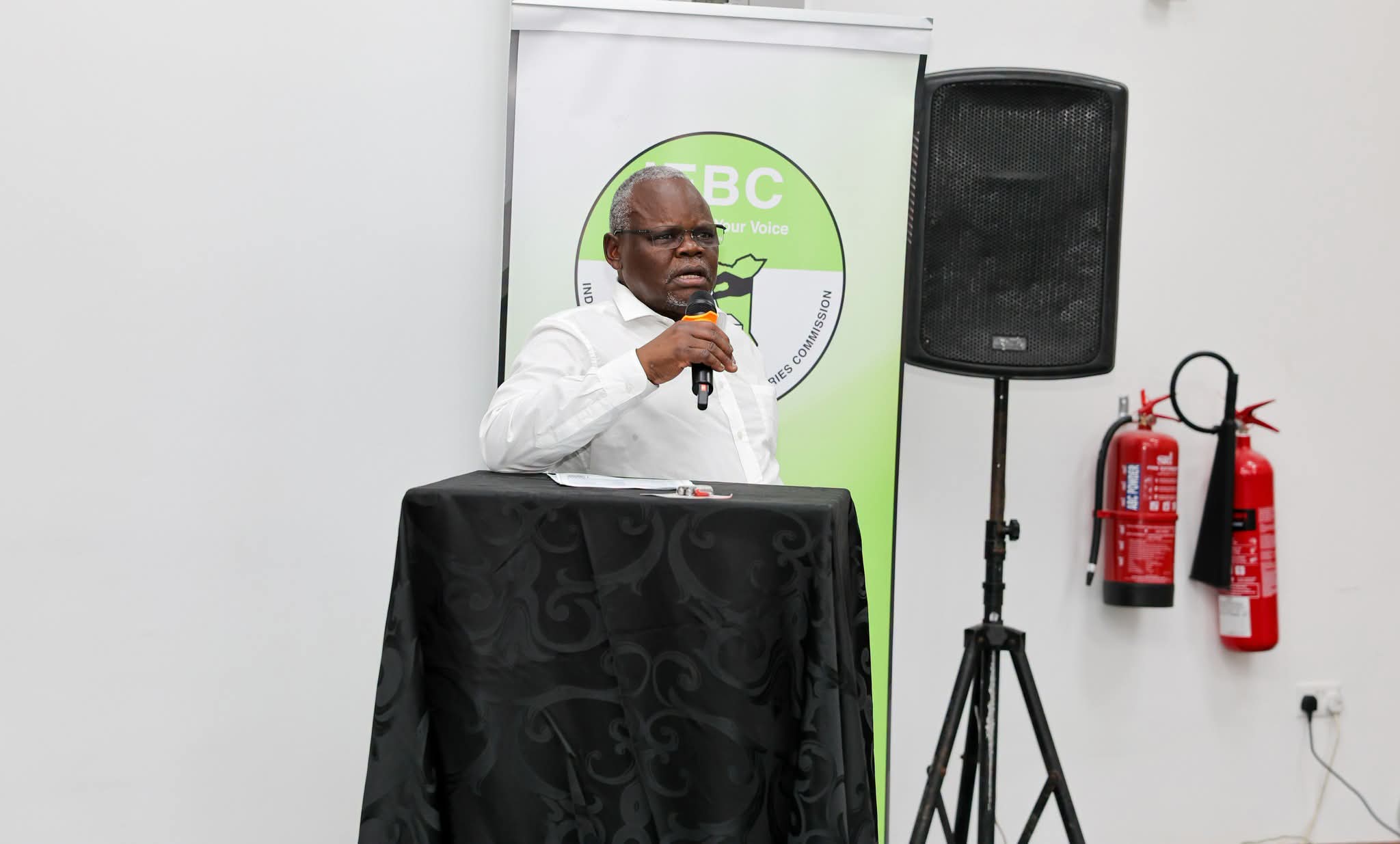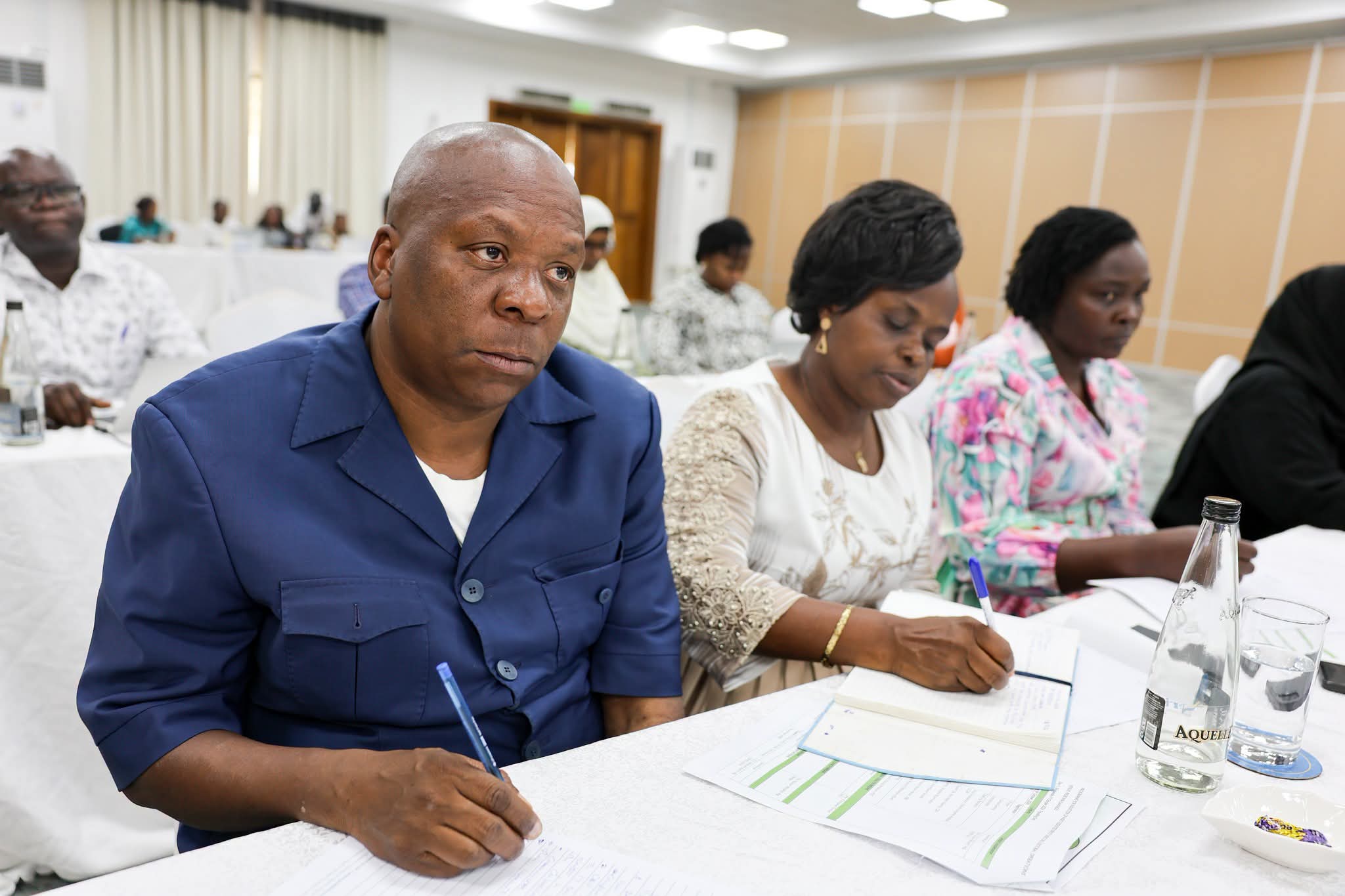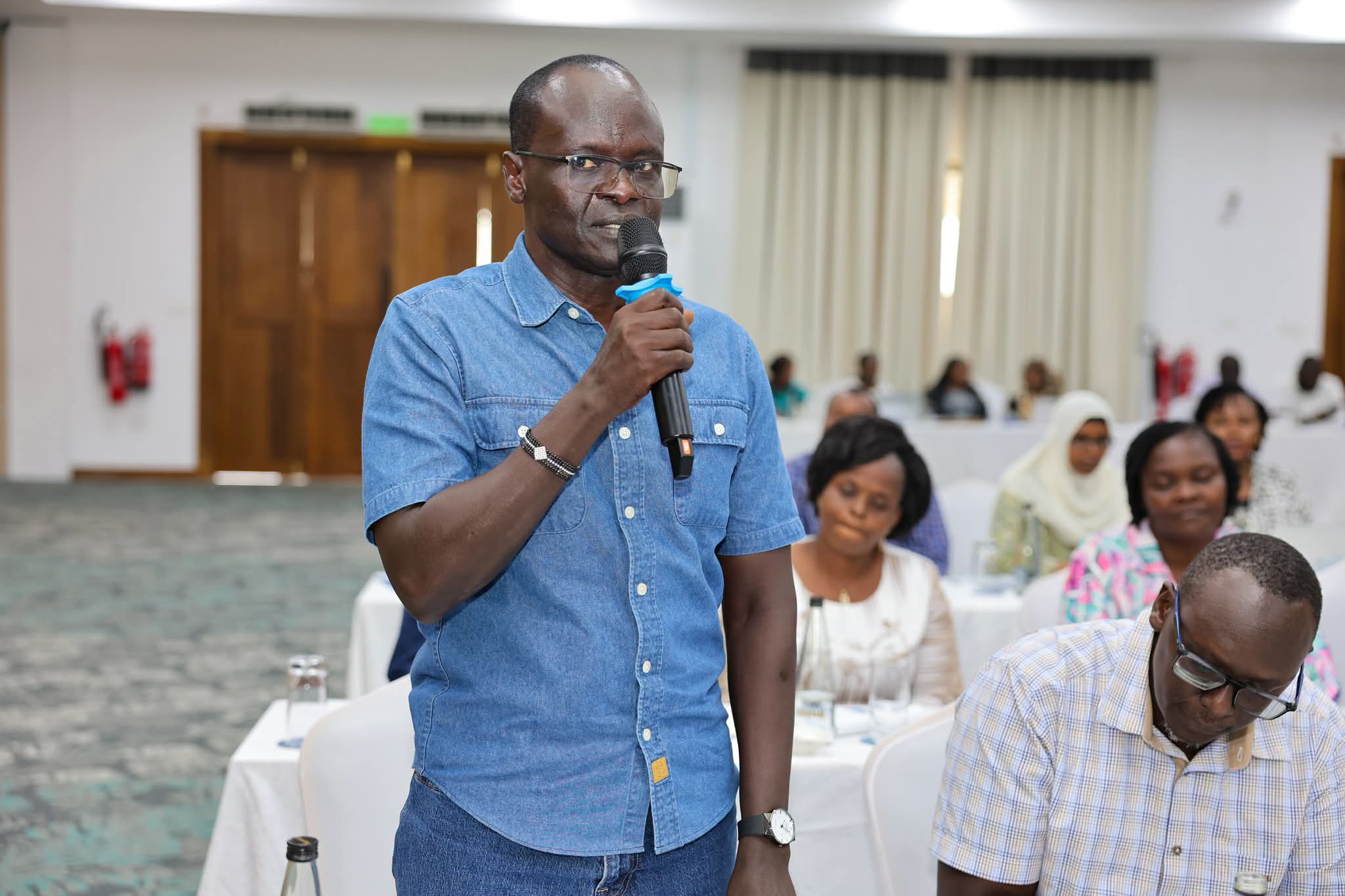
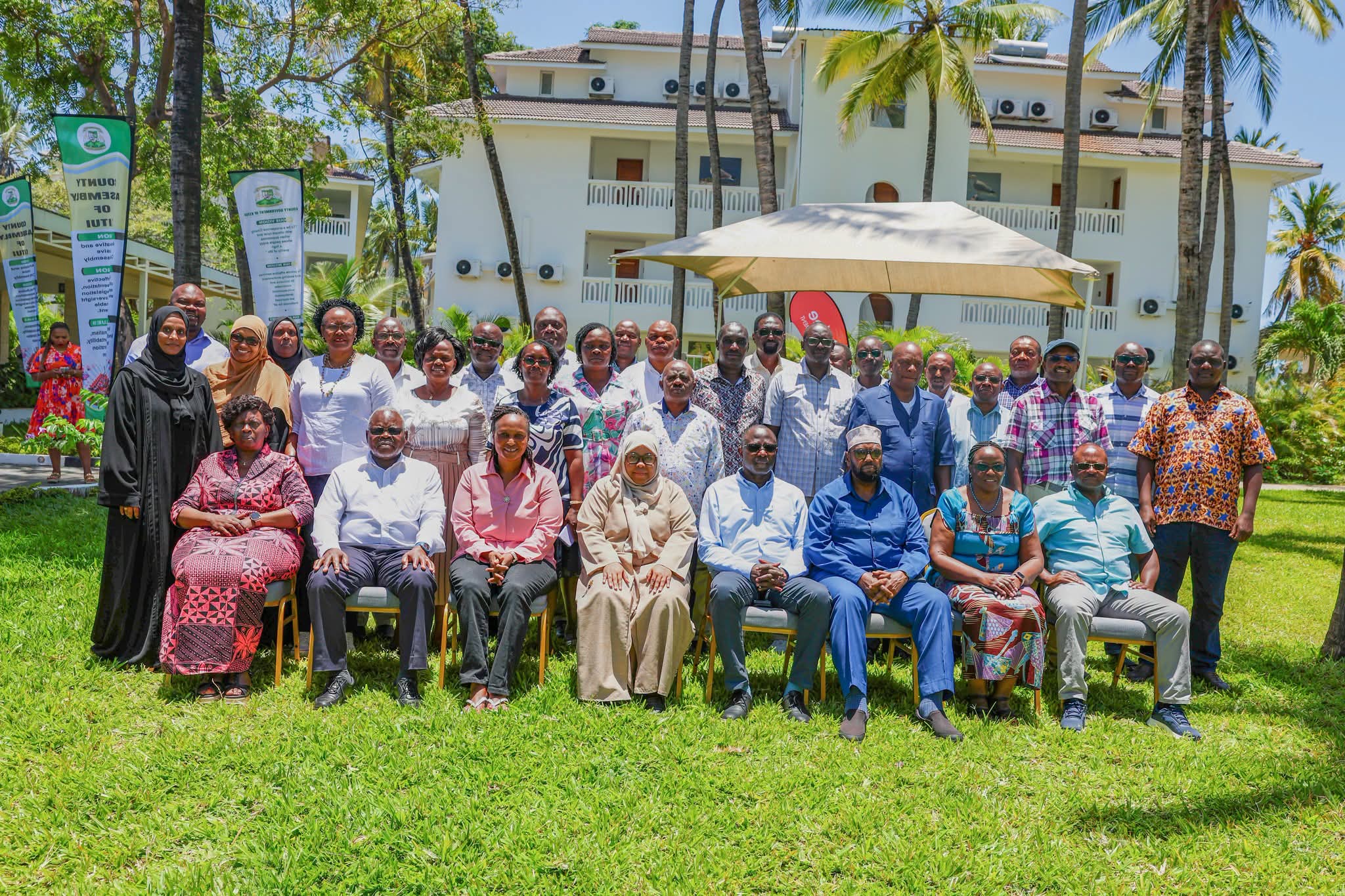
I joined the Independent Electoral and Boundaries Commission (IEBC) induction workshop for the newly appointed Deputy Directors responsible for Electoral Operations, formerly known as County Election Managers.
The induction comes at an important stage in the Commission’s preparations for the 2027 General Election, with 306 days remaining to the polls. It provided an opportunity to reflect on the critical role of field leadership in translating the Commission’s policies, decisions and Election Operations Plan into effective and accountable electoral delivery across the counties and constituencies.
Addressing the newly appointed officers, Commission Chairperson Erastus Ethekon congratulated them on their appointment and underscored the responsibility entrusted to them. He noted that their leadership will be central to ensuring that electoral plans are implemented effectively and that the Commission’s structures remain well coordinated at the field level.
One message that stood out during the induction was that electoral preparedness is not something that begins on Election Day. It is the result of deliberate planning, sustained coordination, continuous engagement and timely action undertaken well in advance.
The Chairperson challenged the Deputy Directors to provide strong and accountable leadership in the field, strengthen coordination across the Commission’s structures and ensure that operational plans translate into measurable results and tangible progress.
Key areas highlighted included voter registration and education, stakeholder engagement, technology readiness, the accuracy and integrity of electoral data, and institutional resilience. These are critical components of a credible electoral process and require consistent attention throughout the electoral cycle.
The importance of integrity, political neutrality and impartiality was also underscored. As electoral officials, the Deputy Directors will be expected to uphold professionalism and remain accessible to stakeholders, while paying close attention to realities and emerging challenges from the field.
I found the emphasis on early identification and resolution of challenges particularly important. Effective election management requires institutions to anticipate risks, respond to emerging issues and maintain strong coordination at every level.
The induction is therefore an important step in strengthening the Commission’s field structures as we continue preparations for the 2027 General Election. It is also a reminder that delivering a free, fair, credible, transparent and peaceful election is a responsibility that requires preparation, professionalism and collective commitment long before voters arrive at the polling stations.
As the countdown to 2027 continues, every day presents an opportunity to strengthen our systems, deepen stakeholder confidence and ensure that the Commission remains ready to deliver on its constitutional mandate.