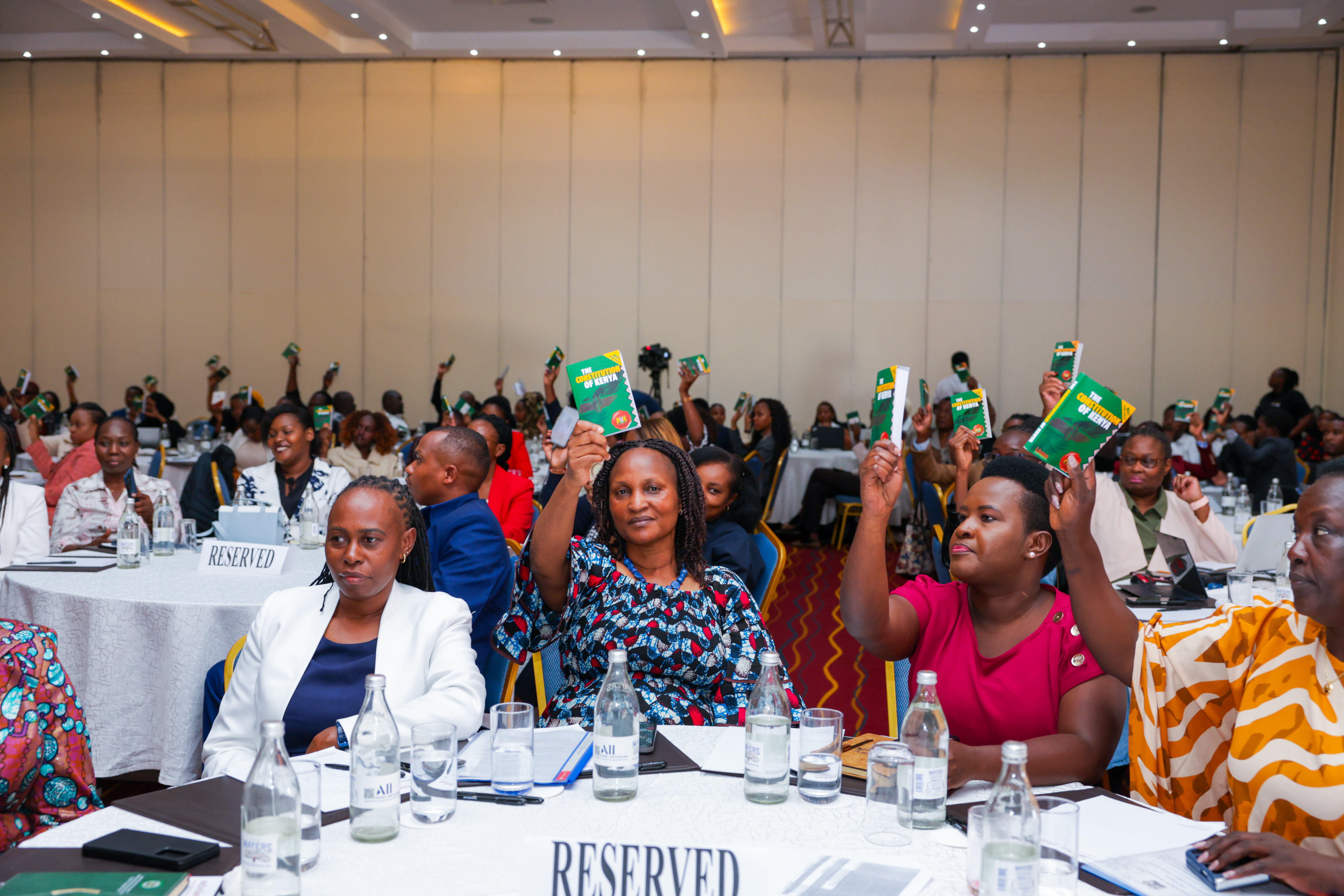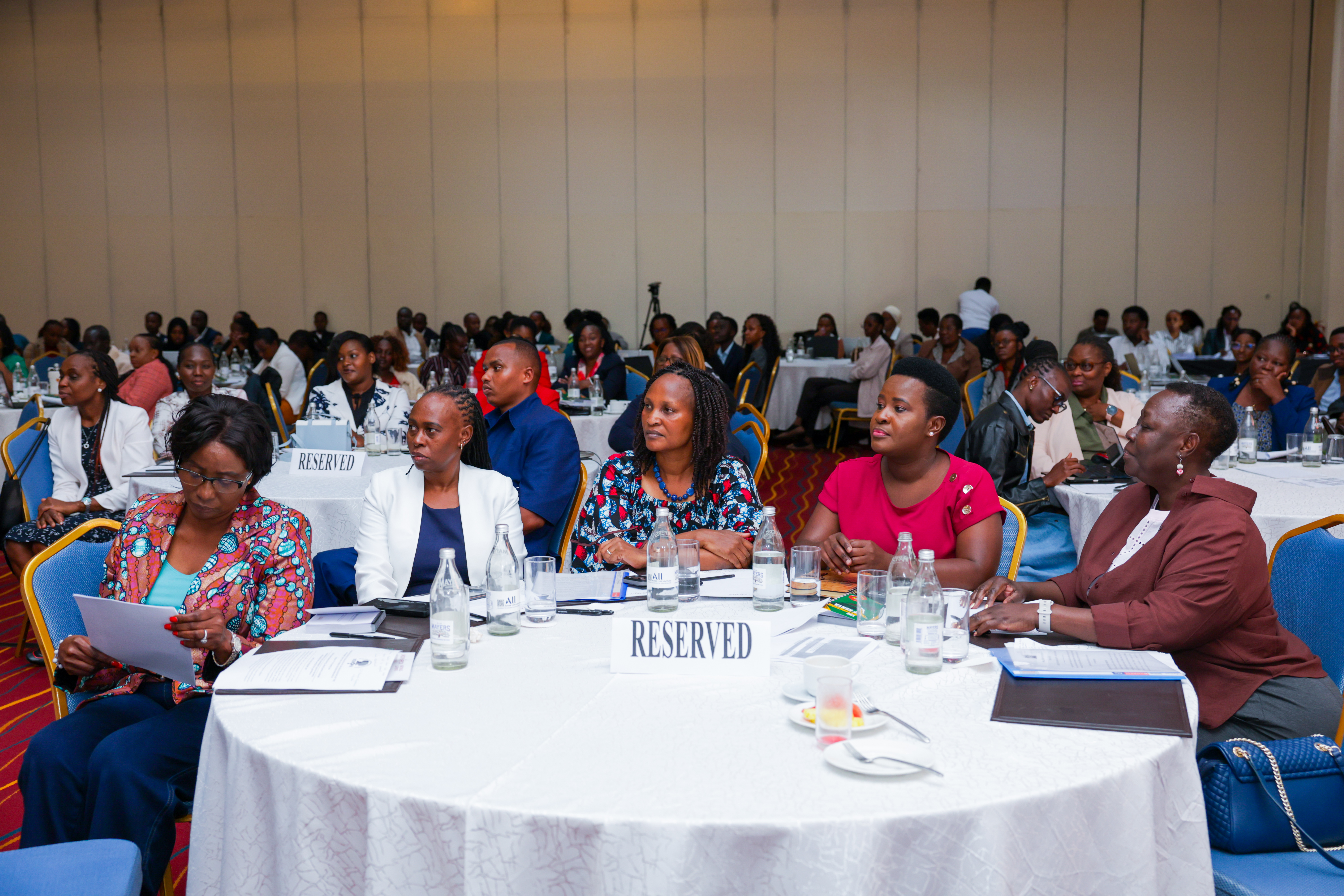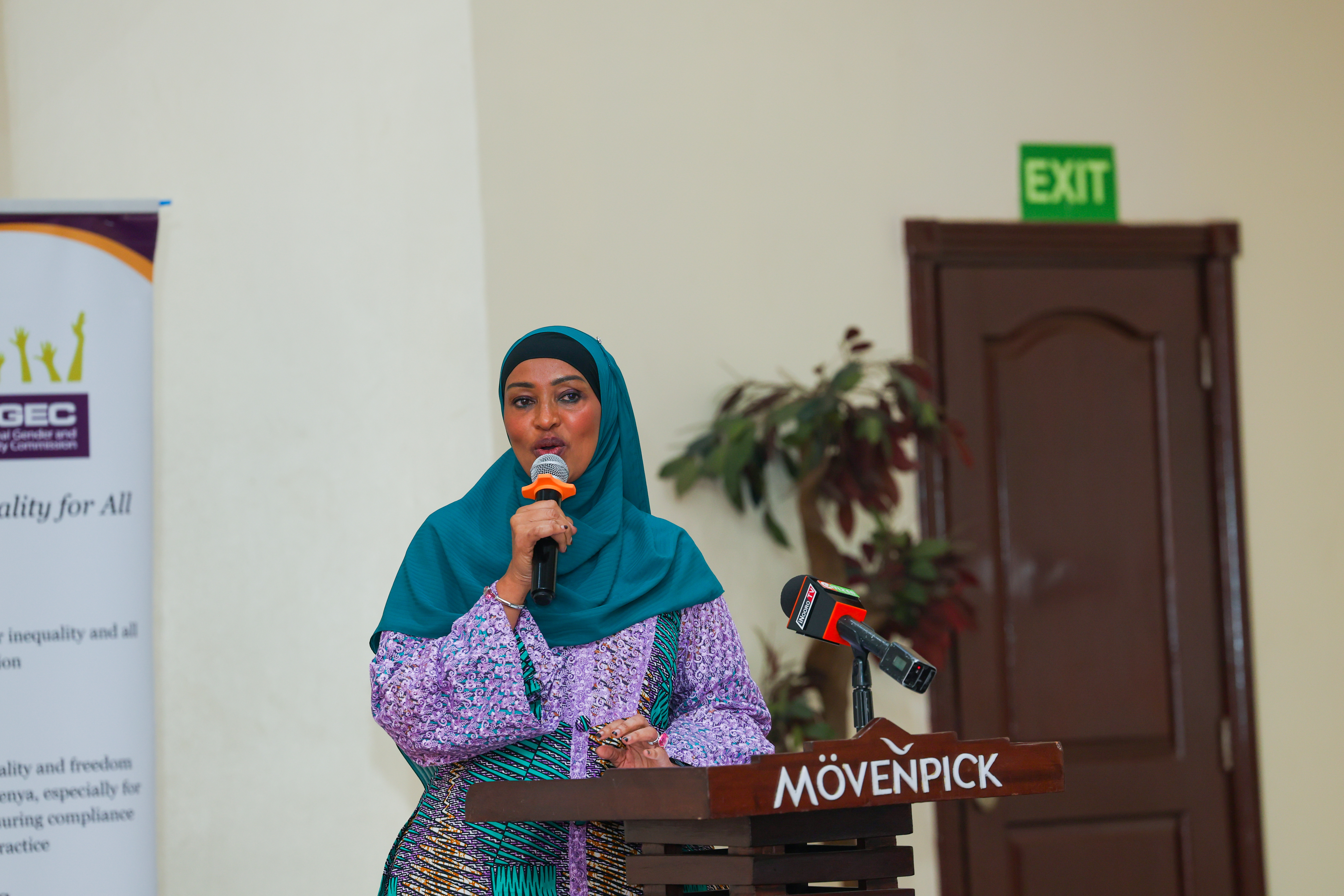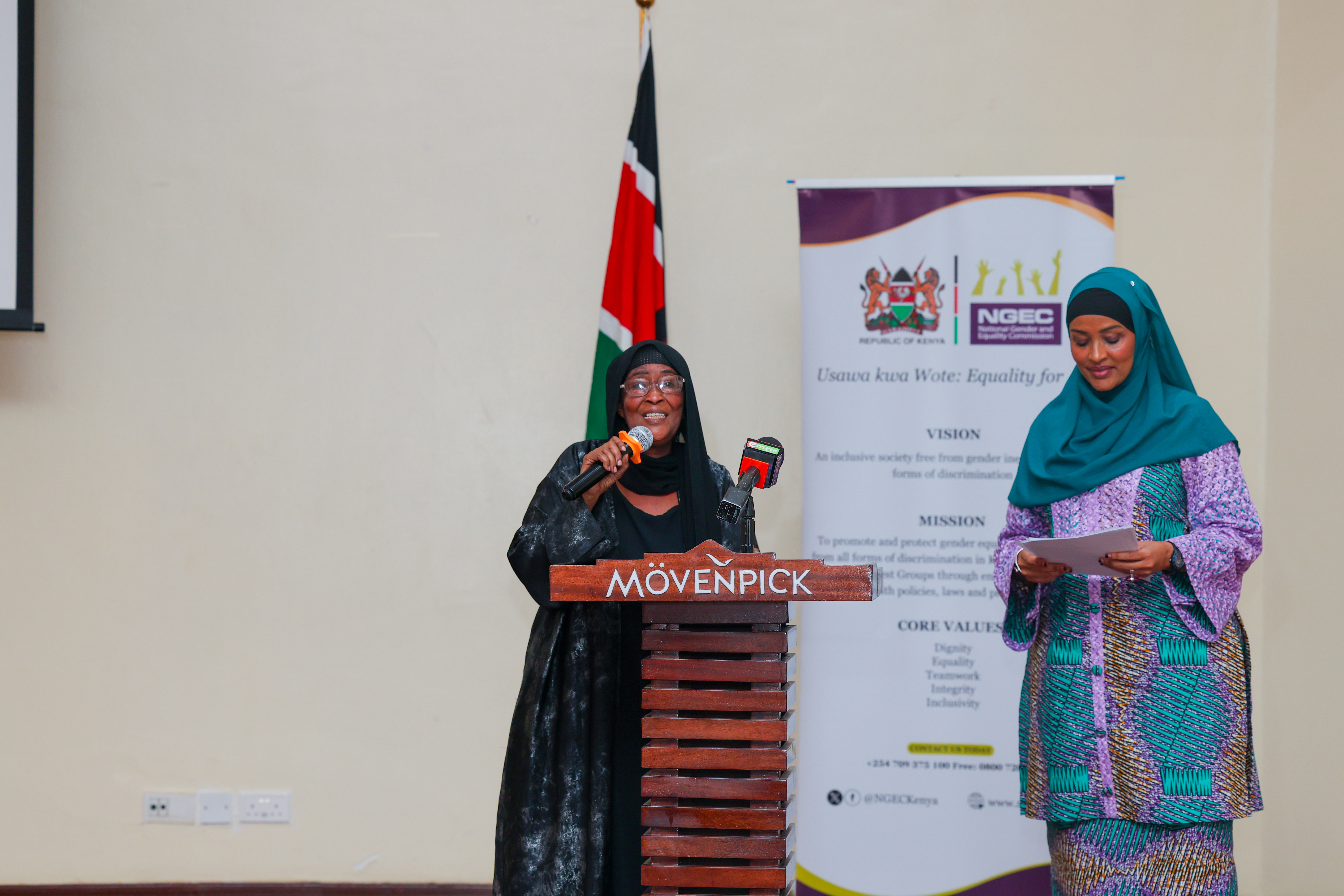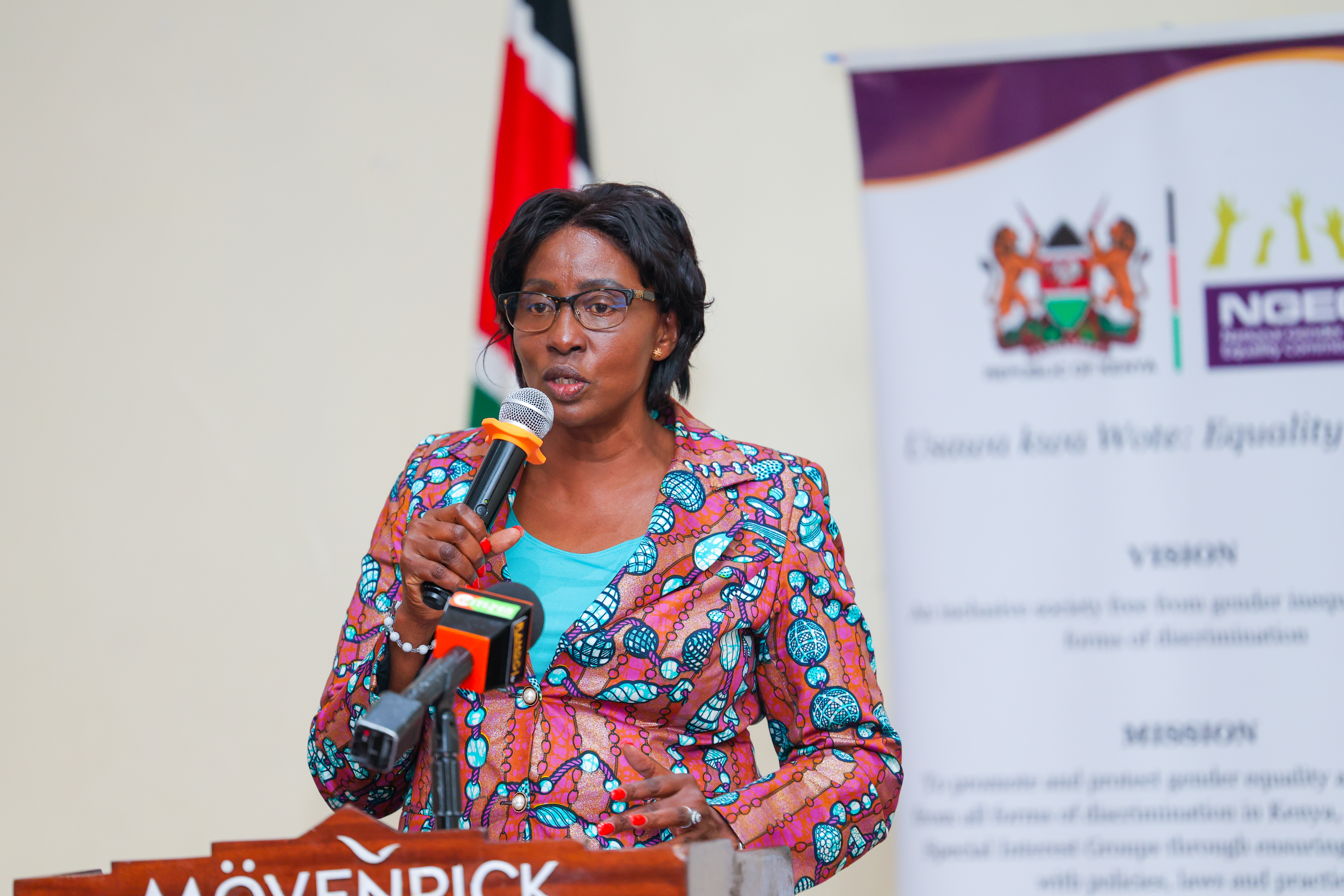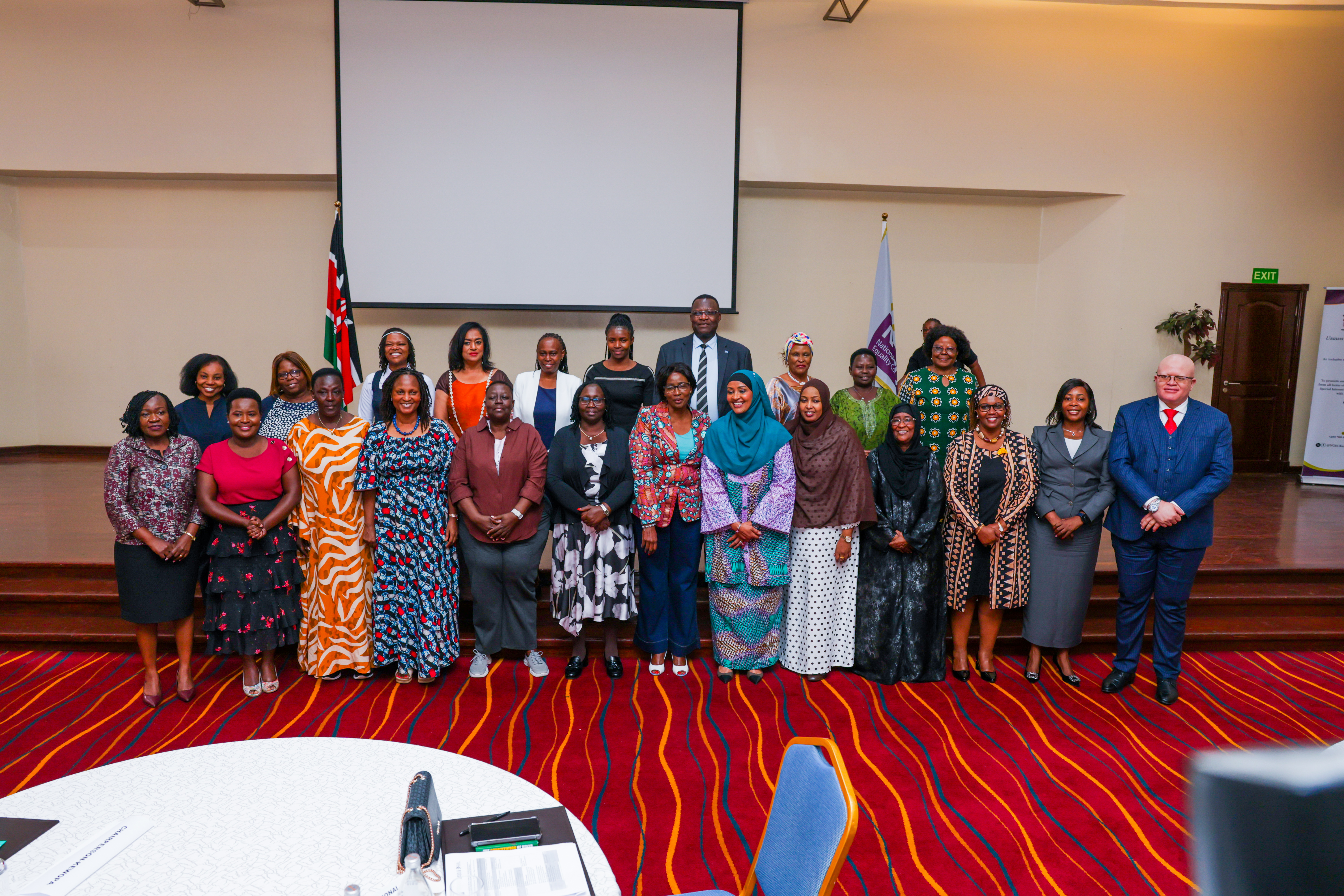
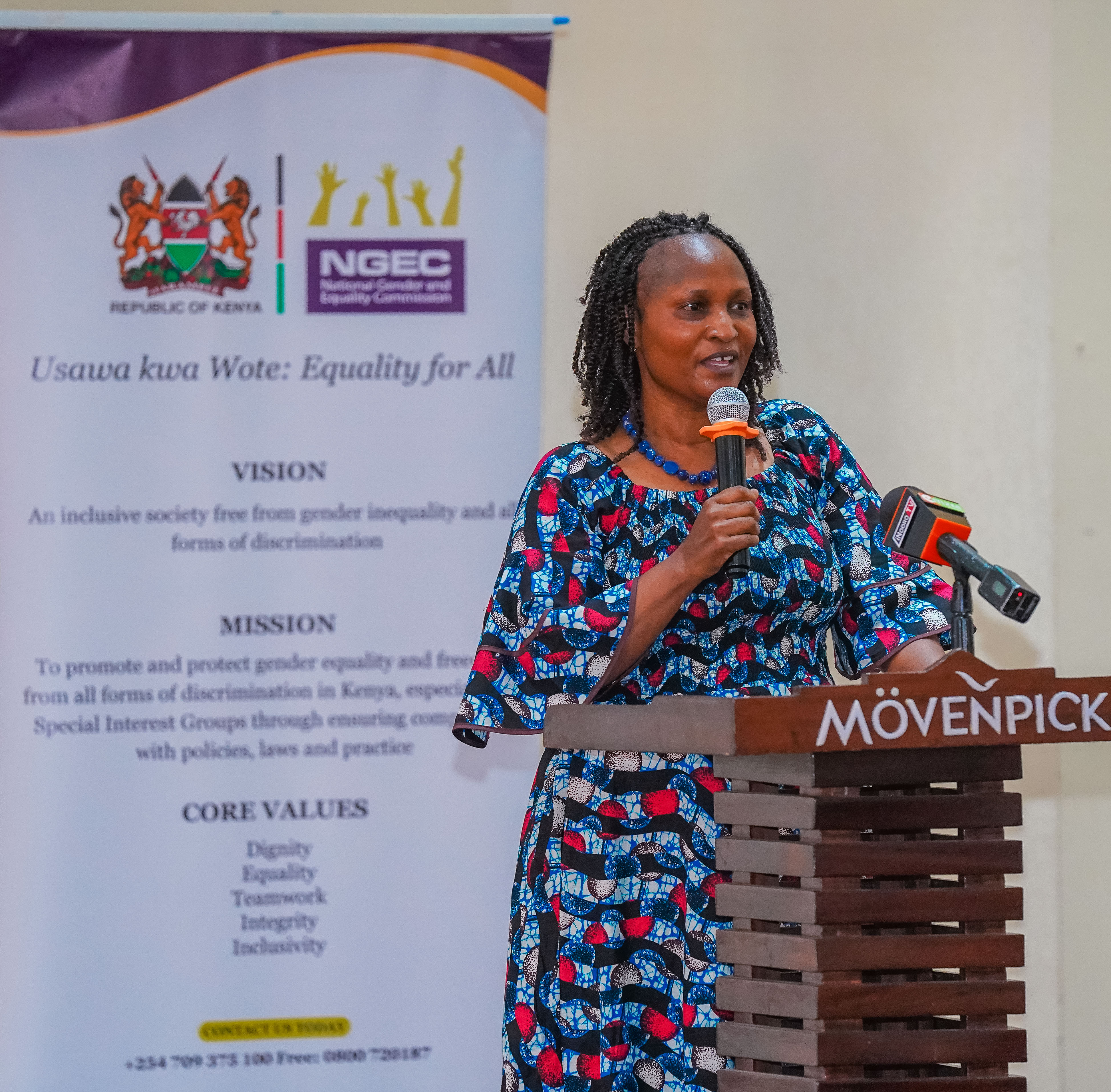
Today, I represented the Independent Electoral and Boundaries Commission (IEBC) at a High-Level Policy Dialogue on mechanisms for the realization of the Not More Than Two-Thirds Gender Principle in the 2027 General Election and beyond, convened by the National Gender and Equality Commission (NGEC).
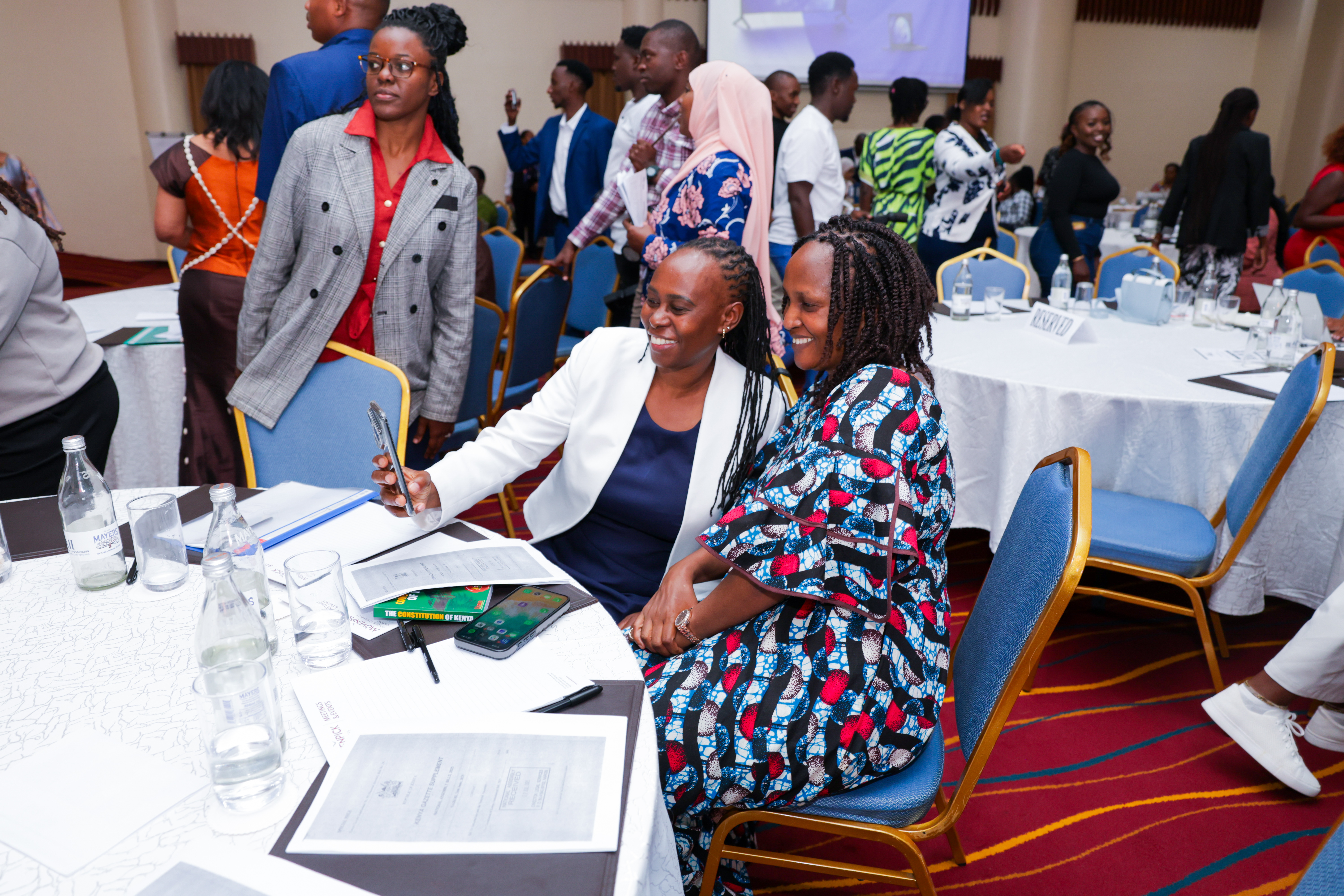
The dialogue brought together Members of Parliament, State institutions, Constitutional Commissions, political and electoral institutions, development partners and other stakeholders to reflect on practical mechanisms for advancing the implementation of this important constitutional principle.
In my remarks, I highlighted the role of the IEBC in promoting compliance with Kenya’s constitutional and electoral framework. This includes the Commission’s responsibilities in regulating aspects of political party nominations, reviewing applicable party lists, issuing guidelines, and engaging political parties and stakeholders to promote inclusive participation in electoral processes.
I also highlighted the Commission’s role in the allocation of gender top-up seats in County Assemblies, as provided for under the constitutional and electoral framework. These mechanisms form part of the broader effort to enhance the representation of women in political decision-making.
Beyond the electoral process itself, I emphasized the importance of creating an environment in which all Kenyans can participate meaningfully in elections. The IEBC continues to undertake voter education, stakeholder engagement and initiatives aimed at promoting the participation of women, youth, persons with disabilities and marginalized groups, including through the implementation of the Commission’s Gender and Social Inclusion Policy.
The realization of the Not More Than Two-Thirds Gender Principle requires sustained engagement and collaboration across institutions. It is not the responsibility of one institution alone. Parliament, political parties, electoral and constitutional commissions, government institutions, civil society, development partners and citizens all have important roles to play.
The dialogue also provided an opportunity to consider legislative initiatives currently before Parliament and to discuss practical mechanisms that can strengthen the implementation of the constitutional gender principle ahead of the 2027 General Election and beyond.
I appreciate NGEC for convening this important conversation with the support of UN Women Kenya and in collaboration with the Kenya Women Parliamentary Association (KEWOPA).
As we look towards the 2027 General Election, our focus must remain on strengthening inclusive participation and ensuring that the constitutional commitment to equality and representation continues to translate into meaningful opportunities for women and other underrepresented groups to participate in Kenya’s democratic processes.
Advancing gender equality in leadership is a shared responsibility. Through continued dialogue, institutional cooperation and adherence to our constitutional and electoral framework, we can continue to strengthen inclusive governance and democratic participation in Kenya.