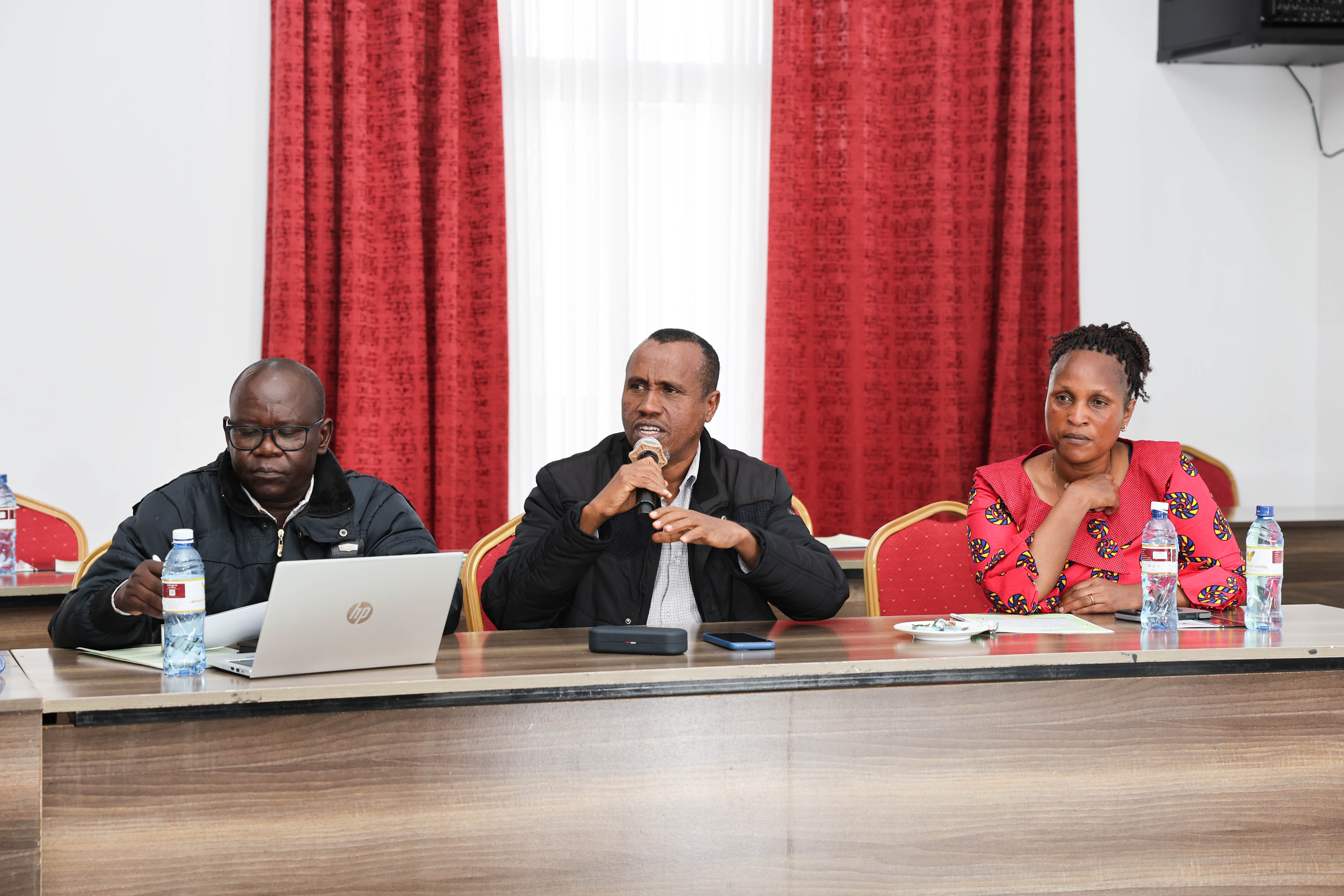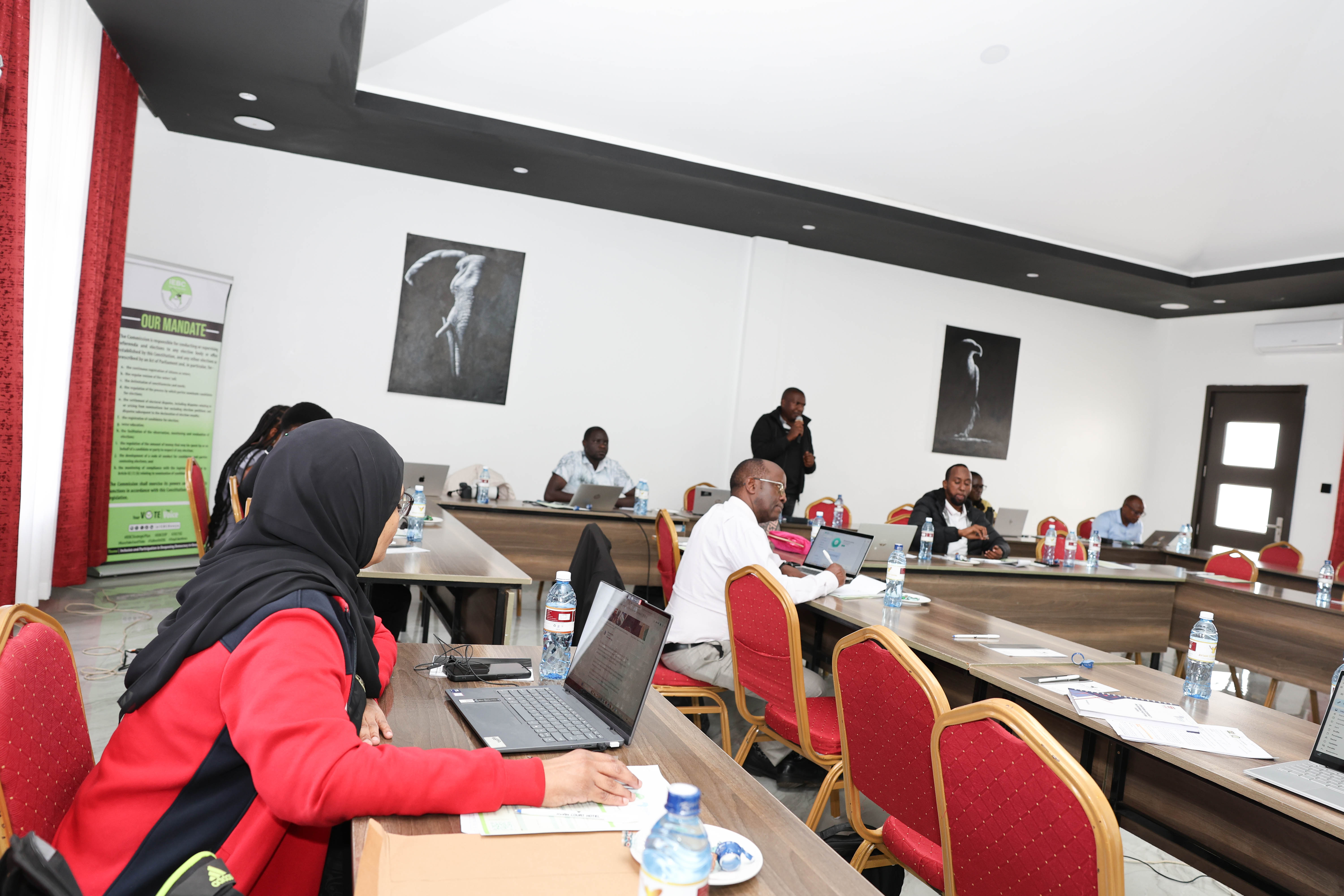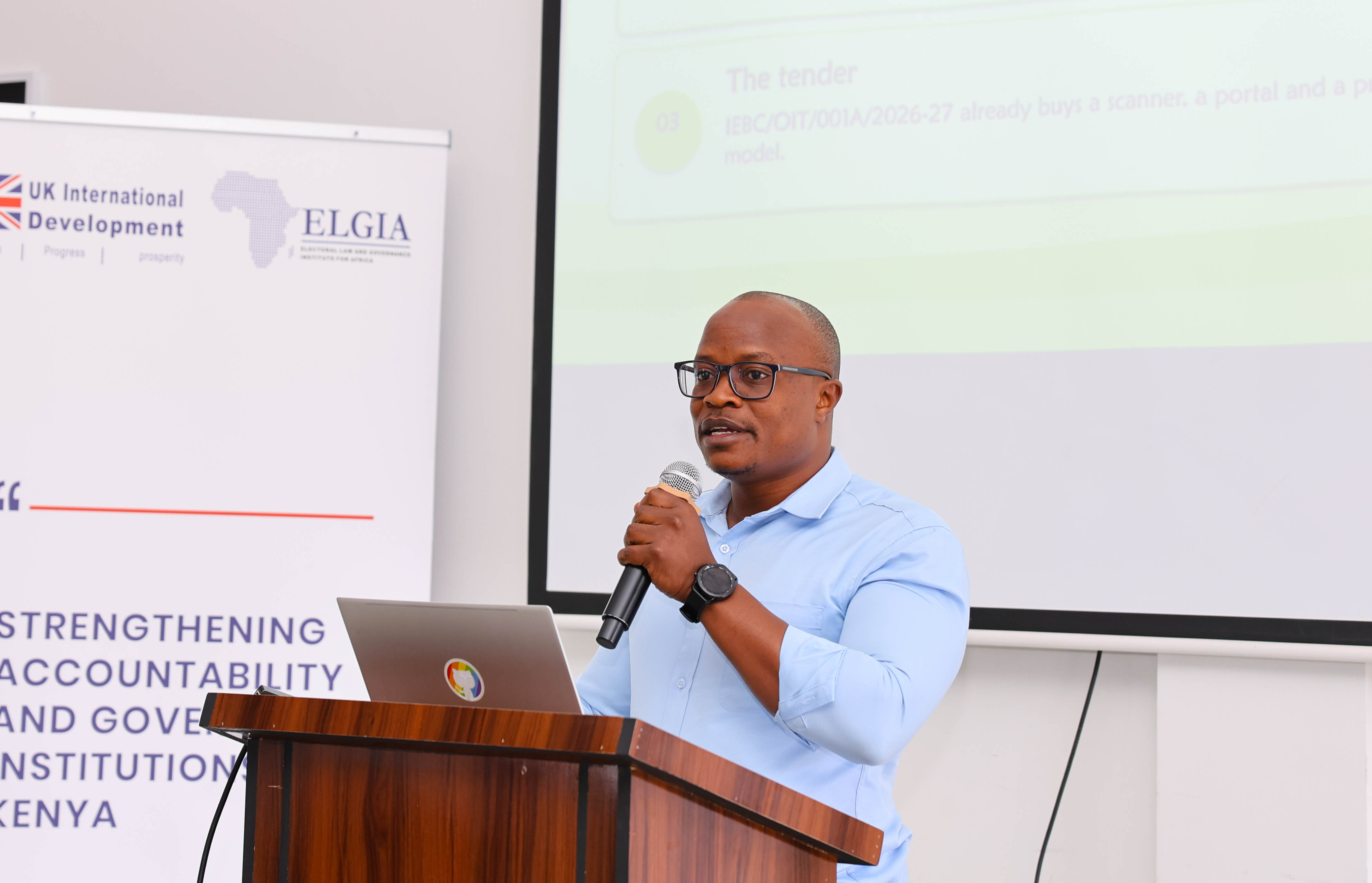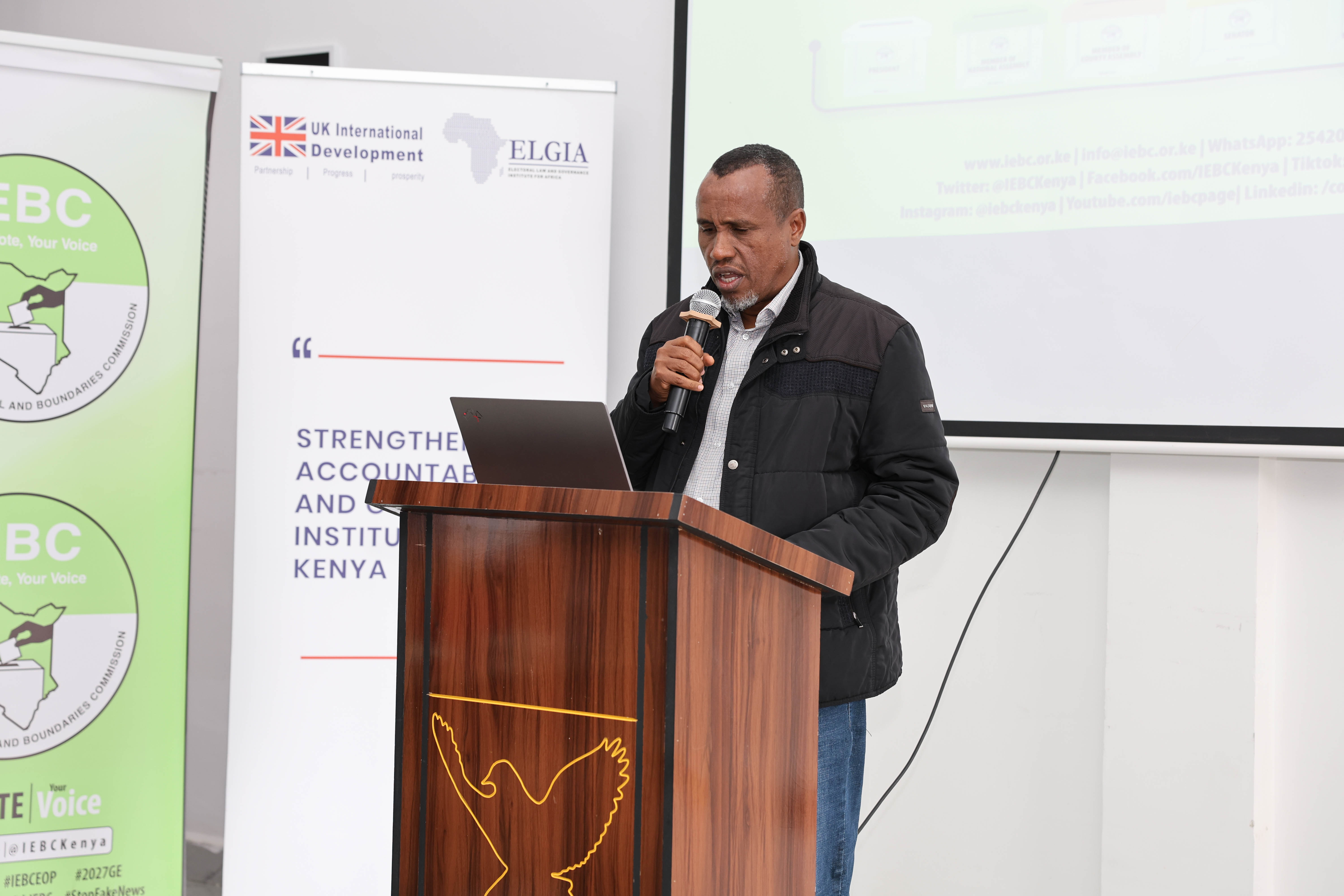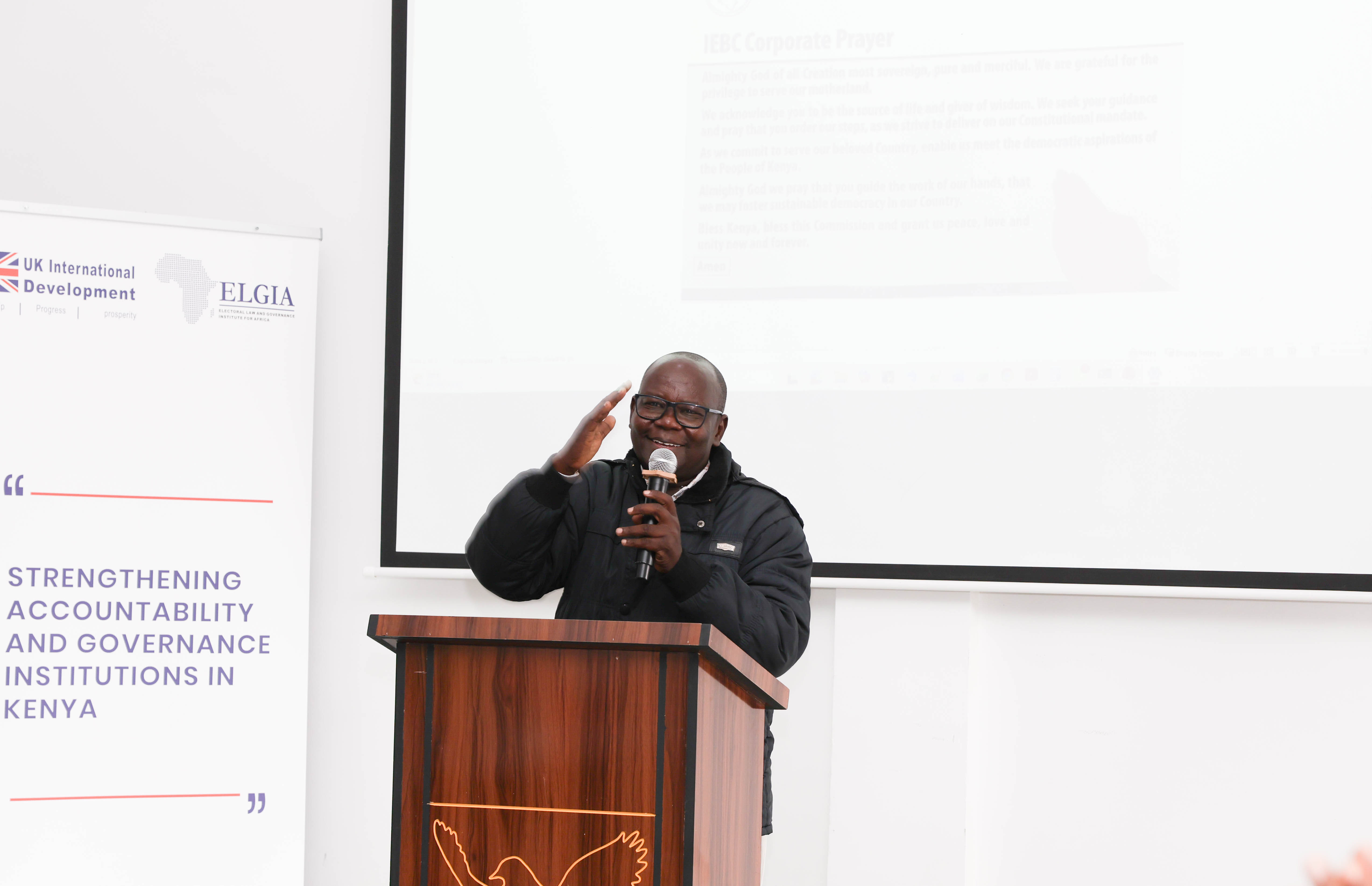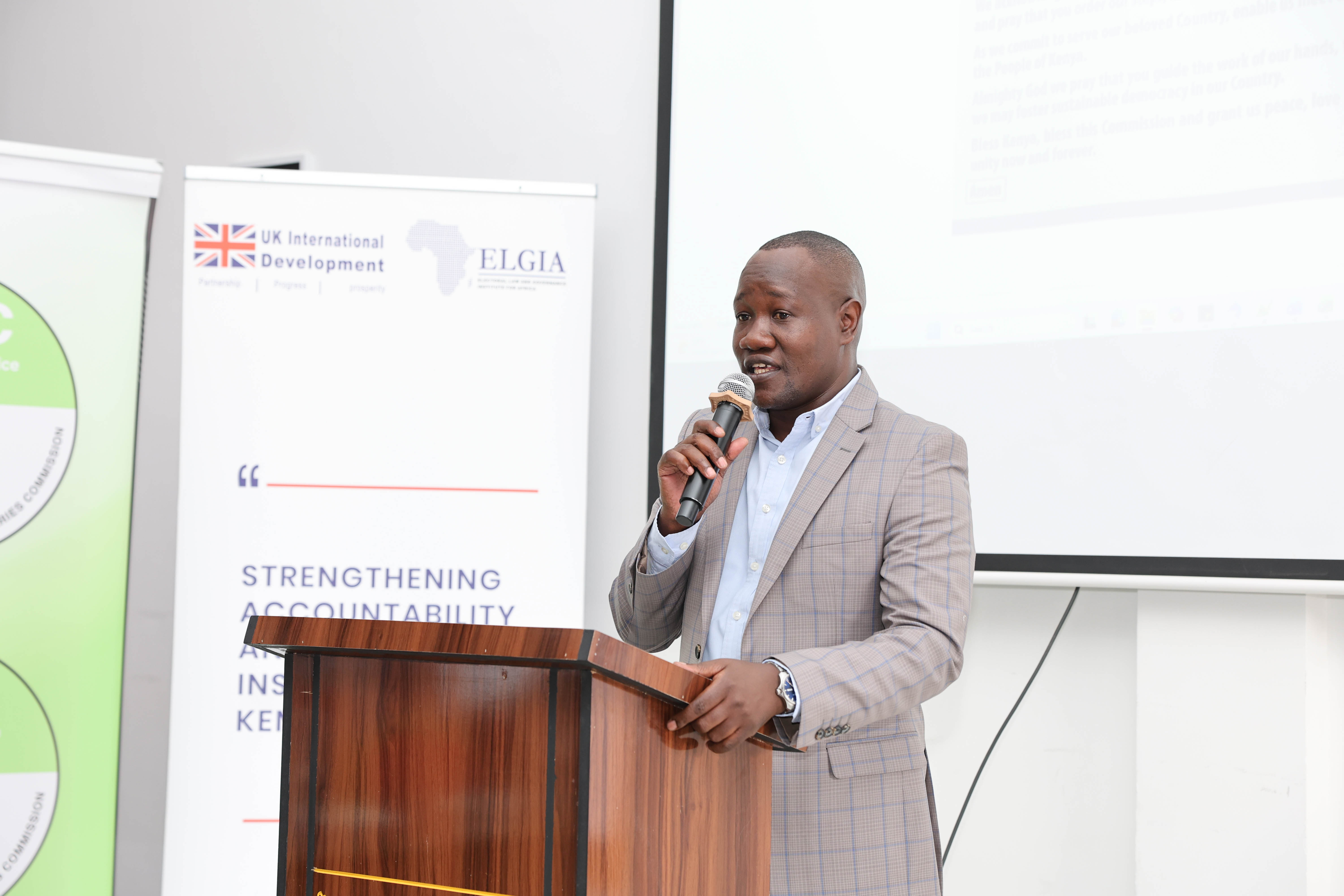
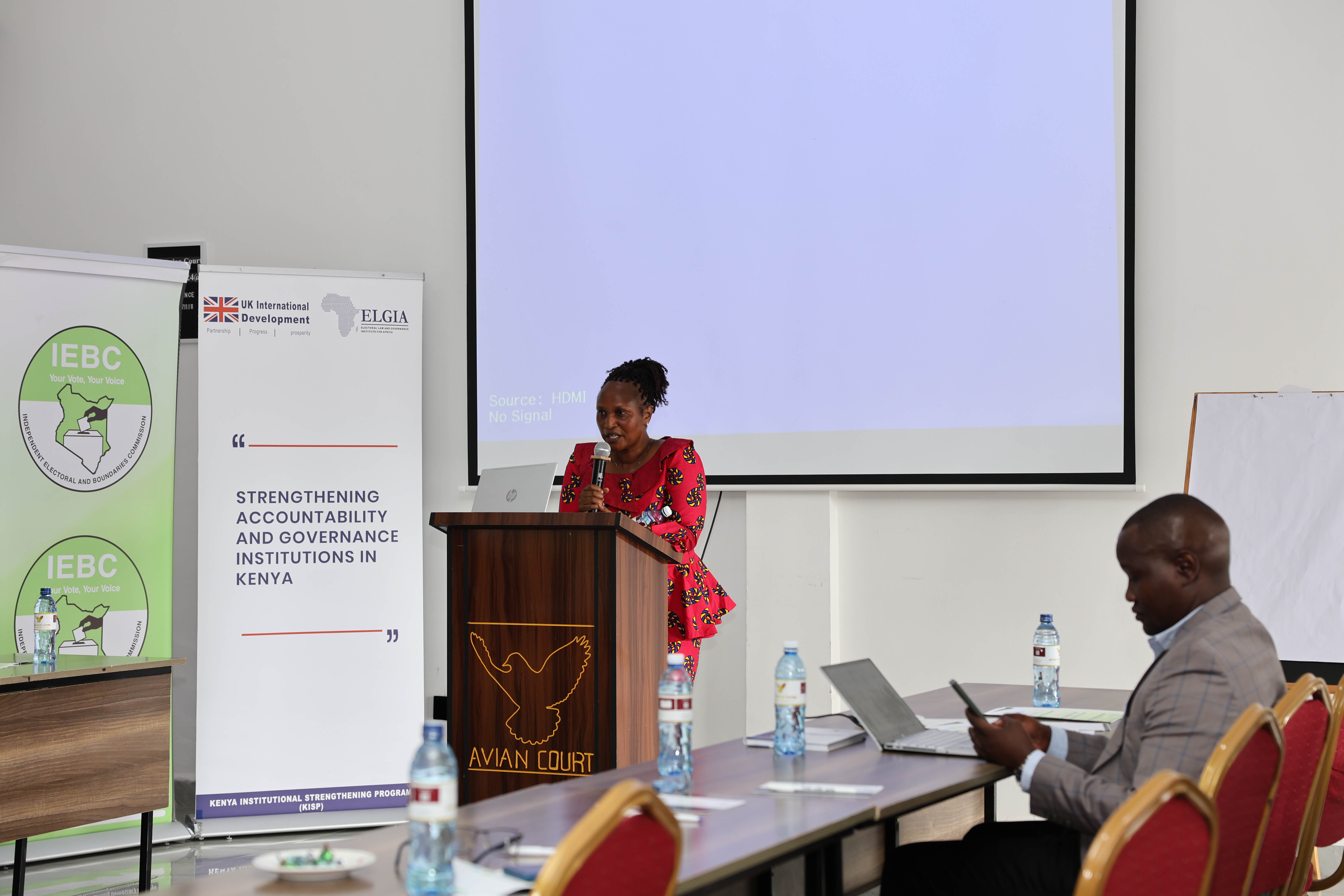
As I opened the review workshop on the Election Results Management Framework, I emphasized that the way election results are managed is at the heart of public confidence in our democracy.
The Independent Electoral and Boundaries Commission (IEBC), in collaboration with the Electoral Law and Governance Institute for Africa (ELGIA), has commenced the review of the framework to strengthen the credibility, transparency, efficiency and accountability of election results management in Kenya.
I convened the Technical Working Group to examine and improve the framework that guides the processing, verification, transmission, tallying and declaration of election results. In my opening remarks, I emphasized that credible elections do not depend only on the conduct of voting. They also require a results-management system that is accurate, transparent, secure and accountable.
The Commission is committed to having a comprehensive and practical framework that clearly defines procedures and responsibilities at every stage of the results-management process. This process begins at the polling station, which is the primary source of election data, and extends through the constituency, county and national tallying levels. Every stage must be properly coordinated and strengthened to ensure the credibility of the final outcome.
I identified six key principles that should guide the management of election results: accuracy, transparency, timeliness, accountability, security and inclusivity. These principles are central to the Commission’s efforts to ensure that election results accurately reflect the will of voters and that all stakeholders have confidence in the process.
The review will also focus on strengthening the use of technology in results management. This includes improving digital systems, enhancing verification mechanisms, reinforcing cybersecurity, and ensuring that all electoral stakeholders clearly understand their roles and responsibilities throughout the results-management cycle.
The Commission is also cognizant of the challenges that can affect results management, including delays in processing results, logistical constraints, verification challenges at tallying centers, stakeholder queries, and the increasing threat of misinformation and disinformation around electoral processes. These issues require practical solutions, strong coordination and continuous engagement with stakeholders.
For the IEBC, strengthening the Election Results Management Framework is part of our broader commitment to improving electoral integrity and continuously strengthening Kenya’s electoral processes.
As Kenya prepares for future electoral activities, including the 2027 General Election, this review provides an important opportunity to build on existing systems, address identified gaps and establish a stronger foundation for managing election results.
Ultimately, the Commission’s goal is to ensure that election results are managed in a manner that is transparent, secure, efficient, accountable and trusted by Kenyans and all electoral stakeholders. This is essential not only for credible elections, but also for strengthening confidence in our democratic institutions.